
Exploring a career as a music therapist opens the door to a unique blend of creativity and healing. With growing recognition of mental health and holistic wellness, music therapy is becoming an essential field that combines science and art.
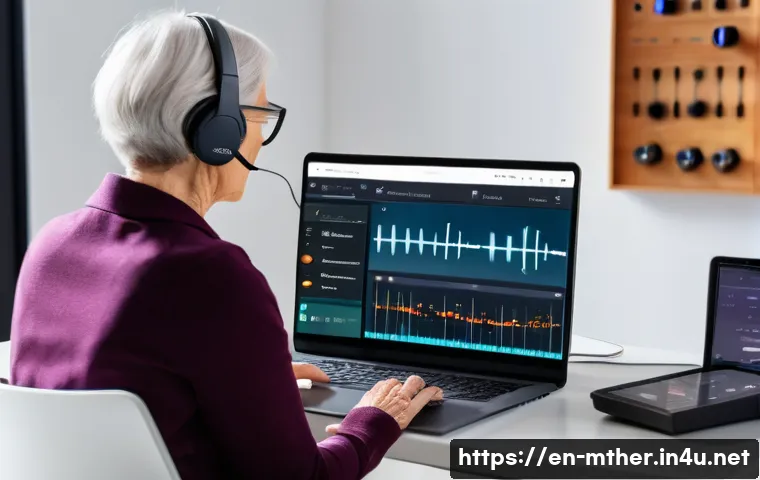
Whether you’re passionate about helping others or seeking a fulfilling profession, developing expertise in this area offers rewarding opportunities. From specialized training to gaining hands-on experience, the path requires dedication but promises meaningful impact.
If you’re curious about how to start and grow in this career, we’ll walk through the essential steps together. Let’s dive in and uncover everything you need to know!
Understanding the Foundations of Music Therapy
The Science Behind Music and Healing
Music therapy is not just about playing instruments or singing; it’s deeply rooted in neuroscience and psychology. The way music interacts with the brain can influence mood, reduce anxiety, and even improve cognitive function.
When I first dove into this field, I was amazed by how specific rhythms and melodies could trigger emotional responses or help manage pain. Research shows that music stimulates areas of the brain responsible for emotions, memory, and motor skills, making it a powerful tool in therapeutic settings.
This scientific basis gives the profession a strong credibility and ensures that interventions are more than just creative expressions—they’re evidence-based methods that bring real change.
Different Approaches and Techniques Used
Music therapy isn’t one-size-fits-all; it’s incredibly diverse. Some therapists use active methods, encouraging clients to play instruments, improvise, or compose music.
Others might focus on receptive techniques, where clients listen to tailored playlists or guided musical experiences. For example, I’ve worked with children on the autism spectrum using rhythmic drumming to improve social interaction, while with elderly patients, calming classical music helped ease agitation from dementia.
Understanding these varied approaches is key to tailoring therapy that fits each client’s unique needs, which is why ongoing education and flexibility are so important in this career.
Who Benefits From Music Therapy?
The beauty of music therapy lies in its wide applicability. From hospitals and schools to rehabilitation centers and private practices, clients range from children with developmental delays to adults recovering from stroke or trauma.
Personally, I’ve seen how music therapy supports emotional healing for veterans with PTSD and helps manage chronic pain for cancer patients. It’s a field that welcomes all ages and conditions, making it incredibly fulfilling to witness progress in such varied populations.
Knowing who benefits helps you focus your skills and choose the settings you want to work in.
Educational Pathways and Certification Essentials
Choosing the Right Degree Program
Becoming a music therapist starts with formal education, typically a bachelor’s degree in music therapy accredited by the American Music Therapy Association (AMTA) or equivalent organizations abroad.
When I was researching programs, I looked for schools offering both strong music training and clinical internship opportunities because hands-on experience is crucial.
Some universities also offer master’s degrees or certifications for those who want to deepen their expertise. It’s important to consider the curriculum’s balance between music, psychology, and therapeutic techniques to prepare thoroughly for the profession.
Internships and Clinical Training
No amount of classroom learning can replace real-world experience. Clinical internships are a core part of music therapy education, often requiring 1,200 hours of supervised practice.
During my internship, I rotated through various facilities—hospitals, schools, and community centers—which gave me a broad perspective on client needs and therapy styles.
This phase is where theory meets practice, and you develop confidence in handling diverse cases. Securing an internship with a supportive supervisor can make or break your early career, so networking and proactive outreach are vital steps.
Certification and Licensure Requirements
After completing your education and internship, obtaining certification is the next hurdle. In the U.S., the Board-Certified Music Therapist (MT-BC) credential is the gold standard, requiring passing a rigorous exam.
Some states also require licensure, so it’s important to check local regulations. I remember the relief and pride I felt after becoming certified—it validated all the hard work and opened doors to professional opportunities.
Keeping certification current often means continuing education, which helps you stay updated with new research and techniques.
Building Your Professional Skill Set
Developing Musical Proficiency
While you don’t need to be a concert-level musician, solid musical skills are essential. Being comfortable with multiple instruments and styles allows you to adapt to different client preferences and therapy goals.
Personally, expanding my repertoire beyond piano to include guitar and percussion made my sessions more dynamic and engaging. Regular practice and music theory knowledge are fundamental, but so is creativity—sometimes improvising on the spot can make the biggest impact in a session.
Enhancing Therapeutic Communication
Music therapists must be exceptional listeners—not just to music but to clients’ verbal and nonverbal cues. Empathy and patience are critical, especially when working with vulnerable populations.
Early in my career, I realized that building trust often took longer than anticipated, but once established, it transformed the therapy experience. Learning counseling techniques and cultural sensitivity also enriches your ability to connect deeply.
These interpersonal skills often make the difference between a good session and a truly healing one.
Staying Updated with Research and Trends
The field of music therapy is constantly evolving as new studies emerge and technology advances. I’ve found that subscribing to journals, attending conferences, and joining professional associations keeps me informed and inspired.
For instance, integrating digital tools like music apps or biofeedback devices can enhance therapy outcomes. Staying current also boosts your credibility and can lead to leadership roles or research collaborations, which enrich your career and benefit the field at large.
Practical Considerations for Employment
Where to Find Job Opportunities
Music therapists work in a variety of environments—hospitals, mental health clinics, nursing homes, schools, and private practice. When I first started job hunting, I targeted facilities with established music therapy programs but also explored creating new roles in underserved areas.
Networking with other therapists and joining online job boards specific to the profession helped me find openings I wouldn’t have otherwise known about.
Flexibility and willingness to relocate can expand your options significantly.

Salary Expectations and Growth Potential
Compensation for music therapists varies widely depending on location, experience, and setting. Entry-level positions might start modestly, but with specialization and experience, salaries can increase substantially.
I’ve also noticed that those who combine clinical work with teaching, research, or private practice often enjoy higher income and greater job satisfaction.
Below is a general overview of salary ranges and growth prospects:
| Position | Average Annual Salary (USD) | Typical Work Settings | Growth Potential |
|---|---|---|---|
| Entry-Level Music Therapist | $40,000 – $50,000 | Hospitals, Schools, Rehabilitation Centers | Moderate |
| Experienced Music Therapist | $50,000 – $70,000 | Specialized Clinics, Mental Health Facilities | High |
| Private Practice / Consultant | $60,000 – $90,000+ | Self-Employed, Private Clients | Very High |
Balancing Workload and Self-Care
Music therapy can be emotionally demanding, so managing your workload and practicing self-care is crucial. I learned this the hard way early on when burnout crept in after back-to-back sessions with high-need clients.
Setting boundaries, taking breaks, and pursuing your own creative outlets help sustain your passion and effectiveness. Many therapists find peer support groups and supervision sessions invaluable for processing challenges and maintaining a healthy work-life balance.
Leveraging Technology in Music Therapy
Digital Tools and Software for Therapy
Technology has transformed how we deliver music therapy. From apps that facilitate improvisation to software that tracks client progress, these tools add efficiency and innovation.
In my practice, I’ve used tablet-based music apps to engage children with limited mobility, which opened new ways for interaction. Learning to integrate technology doesn’t replace traditional methods but enhances them, making therapy more accessible and personalized.
Virtual and Remote Music Therapy Sessions
The rise of telehealth has expanded music therapy beyond physical boundaries. Offering remote sessions became essential during the pandemic, and I found it surprisingly effective once I adapted my techniques.
Challenges like latency and client distractions exist, but with preparation and creativity, virtual therapy can be just as impactful. It also allows reaching clients in rural or underserved areas, broadening the scope and inclusivity of care.
Future Trends in Music Therapy Technology
Looking ahead, advances such as AI-generated music tailored to individual emotional states and wearable devices monitoring physiological responses are on the horizon.
Staying informed about these innovations helps you stay competitive and enhance client outcomes. I’m personally excited about combining biofeedback with music therapy to create real-time adaptive sessions that respond to a client’s mood and stress levels, which could revolutionize treatment approaches.
Expanding Your Career Beyond Clinical Practice
Opportunities in Education and Training
Many experienced music therapists transition into teaching roles at universities or training programs, sharing their knowledge with the next generation.
I’ve had the privilege of guest lecturing and mentoring students, which not only reinforces my own skills but also contributes to the profession’s growth.
Developing workshops or continuing education courses can also be a rewarding way to expand your impact and diversify income streams.
Research and Advocacy Roles
If you’re drawn to evidence-based practice, engaging in research can be a fulfilling path. Contributing to studies that validate and improve music therapy methods elevates the field’s credibility and opens doors to grants and funding.
Advocacy is another avenue—promoting music therapy’s benefits to policymakers and healthcare institutions ensures wider recognition and integration into mainstream care.
Both roles require strong communication skills and a passion for advancing the profession.
Starting Your Own Practice or Business
For those with entrepreneurial spirit, opening a private practice or consultancy offers independence and flexibility. It demands business acumen—marketing, client management, and financial planning—but the rewards include creative freedom and direct client relationships.
When I took this step, building a referral network and creating a niche specialty helped establish a steady client base. This path can be challenging but immensely satisfying for self-driven professionals.
Conclusion
Music therapy is a dynamic and impactful profession that bridges art and science to promote healing and well-being. Through a blend of musical skill, therapeutic knowledge, and empathy, practitioners can make meaningful differences in diverse populations. Whether working clinically or exploring innovative technologies, this field offers endless opportunities for growth and fulfillment. Embracing continuous learning and self-care will help sustain a rewarding career in music therapy.
Useful Information to Keep in Mind
1. Music therapy combines neuroscience and psychology, making it an evidence-based approach rather than just an artistic activity.
2. Different techniques like active instrument play or receptive listening can be tailored to meet individual client needs effectively.
3. Certification and clinical internships are essential steps for becoming a qualified music therapist, ensuring both knowledge and hands-on experience.
4. Technology, including virtual sessions and digital tools, is expanding the reach and effectiveness of music therapy practices.
5. Balancing professional growth with self-care is vital to avoid burnout and maintain a passionate, long-lasting career.
Key Takeaways
Understanding the scientific foundation of music therapy strengthens its credibility and effectiveness. Gaining diverse clinical experience through internships is crucial for skill development. Continuous education and certification maintain professional standards and open new opportunities. Embracing technology can enhance therapy delivery and accessibility. Finally, prioritizing self-care ensures therapists remain resilient and impactful in their work.
Frequently Asked Questions (FAQ) 📖
Q: What qualifications do I need to become a certified music therapist?
A: To become a certified music therapist, you typically need to earn a bachelor’s degree in music therapy from an accredited program, which includes coursework in psychology, music, and therapy techniques.
After that, completing a clinical internship or supervised fieldwork is essential to gain hands-on experience. Finally, passing the certification exam offered by the Certification Board for Music Therapists (CBMT) is required to become a Registered Music Therapist (MT-BC).
From my experience, choosing a program with strong clinical placements really helped me build confidence before entering the workforce.
Q: What types of settings do music therapists usually work in?
A: Music therapists work in a variety of settings, including hospitals, rehabilitation centers, schools, nursing homes, and mental health clinics. Some even work in private practice or community outreach programs.
I’ve found that working in different environments can drastically change your daily routine—while hospitals might focus more on physical rehabilitation, schools often involve supporting children with developmental challenges.
The diversity of work settings is one of the rewarding aspects of this career because it allows you to tailor your approach based on the needs of your clients.
Q: How can I gain practical experience if I’m just starting out?
A: Getting practical experience early is key. Volunteering or interning in healthcare or educational environments where music therapy is offered can be a great start.
Many universities also provide opportunities for fieldwork during your studies. Personally, I sought out community centers and special needs programs to observe and assist certified therapists, which gave me invaluable insights and helped me build professional connections.
Don’t hesitate to reach out to local practitioners—most are happy to mentor newcomers eager to learn.