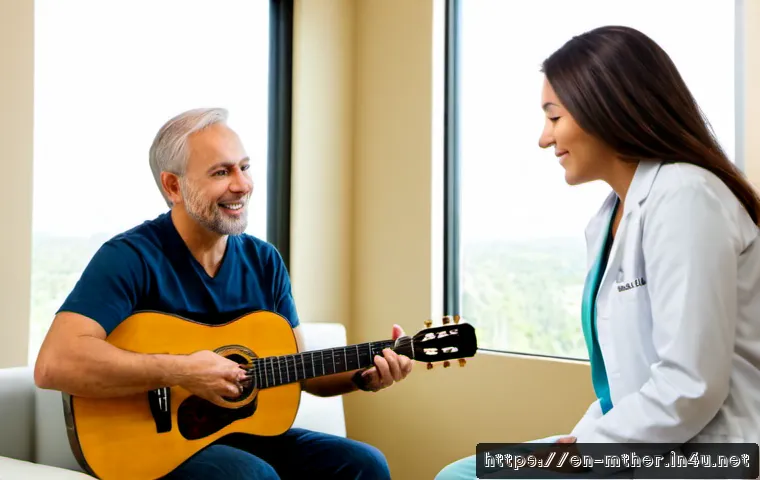
A clear music therapy session note should show the client goal, the music-based intervention, observable response, clinical assessment, and next step.
The best format is the one required by your setting and detailed enough for another appropriate professional to understand what happened without guessing.
For a solo practitioner, a secure template may be practical; a larger practice may benefit from an EHR with scheduling, billing, access controls, and record storage.
The choice is not about using the longest note. It is about writing useful, defensible documentation with an efficient workflow. Always confirm the documentation and privacy requirements of your employer, payer, supervisor, and local professional setting.
At a Glance
- A useful note links a music-based intervention to a client goal and an observable response.
- SOAP, DAP, BIRP, and narrative notes can all work when they match the requirements of the setting.
- Choose a paper template, secure documentation app, or full EHR based on privacy, workload, scheduling, billing, and team needs.
| Workflow option | Best fit | Value questions to ask |
|---|---|---|
| Manual template | Practitioners with a simple, established documentation process | Can records be stored and accessed appropriately? Does the template capture required details? |
| Secure documentation app | Clinicians who want reusable note templates and more organized records | Does it provide appropriate access controls, secure storage, and export options? |
| Full EHR or practice-management platform | Private practices or teams managing records, scheduling, and billing workflows | Will its templates, scheduling, billing, and user permissions reduce administrative work? |
What a Strong Music Therapy Session Note Needs to Show
A strong note explains the clinical purpose of the session, not simply the songs used. It should help a reviewer understand what goal was addressed, what intervention occurred, how the client responded, and what will happen next. Keep the distinction between what you observed and your clinical interpretation clear.
The Five Essentials: Goal, Intervention, Observable Response, Clinical Assessment, and Next Step
Start with the relevant client goal. Then describe the intervention in functional terms, such as structured instrument playing to support turn-taking or songwriting to support emotional expression. Record observable responses: participation, prompts needed, choices made, or engagement with the task. Your assessment can connect those observations to progress, but it should not overstate outcomes. End with a specific plan for follow-up.
A Quick Session-Note Checklist for Busy Clinical Days
- Was the client present, and were there relevant attendance details?
- What treatment or functional goal was addressed?
- What music therapy intervention was provided?
- What did the client do or communicate that you could observe?
- What is the next clinical step, adaptation, or follow-up need?
Choose a Note Format That Fits Your Setting and Workload
There is no universal “best” music therapy note format. Schools, hospitals, rehabilitation facilities, community programs, and private practices may each use different documentation standards. Use the format your organization, supervisor, payer, or professional setting requires before choosing based on personal preference.
SOAP vs DAP vs BIRP vs Narrative Notes
SOAP separates subjective information, objective observation, assessment, and plan. DAP focuses on data, assessment, and plan. BIRP organizes behavior, intervention, response, and plan. A narrative progress note can offer flexibility when a setting needs a concise chronological account. The best choice is the one that communicates clearly without leaving out required information.
Comparison: Speed, Detail, Team Communication, and Billing Readiness
| Format | Speed | Clinical detail | Team communication | Billing workflow fit |
|---|---|---|---|---|
| SOAP | Moderate | Structured and detailed | Useful for multidisciplinary communication | May fit settings needing clearly separated sections |
| DAP | Efficient | Focused | Clear for ongoing progress notes | Check payer or employer expectations |
| BIRP | Efficient | Intervention-focused | Helpful when response to intervention matters | Confirm local documentation requirements |
| Narrative | Flexible | Varies by writer | Can be clear when organized well | May need a structured template for consistency |
When a Template Is Enough and When EHR Software May Add Value
A template may be enough when the caseload, record system, and administrative needs are simple. A clinical documentation software or EHR platform may add value when multiple users need appropriate access, notes must connect with scheduling or billing, or a practice needs more consistent records. Do not assume any platform automatically meets every privacy obligation; review its security and workflow features against your setting’s requirements.
A Step-by-Step Workflow for Writing Better Notes
A repeatable workflow reduces vague wording and makes notes easier to complete soon after the session. The goal is not to create a transcript. It is to preserve the information needed for clinical continuity and administrative review.
Capture Objective Observations During or Immediately After the Session
Write what was seen or heard: “client selected an instrument after a verbal prompt” is clearer than “client was motivated.” If an interpretation is useful, place it in the assessment section and connect it to the observations that support it.
Connect Musical Interventions to Treatment Goals
Name the intervention and its purpose. For example, a group drumming activity may be documented in relation to participation, turn-taking, or attention to shared cues. The intervention itself is not the outcome; the note should show why it was selected for that client goal.
Write an Assessment Without Overstating Outcomes
Use careful language. “The client demonstrated increased participation during the structured activity” is different from claiming a broad improvement that the session record does not support. Clinical judgment is appropriate, but it should remain grounded in the session data.
Finish With a Specific, Usable Plan
A practical plan may state that the next session will continue the intervention, adjust prompts, introduce a different musical structure, coordinate with the team, or follow up on attendance. Avoid generic endings that do not guide the next provider or future session.
Documentation Mistakes That Create Clinical and Administrative Problems
Many note problems are preventable. The common pattern is either too little useful information or too much information that is unsupported, copied forward, or unnecessarily sensitive.
Vague Language, Copied-Forward Notes, and Unsupported Claims
Phrases such as “did well” or “made progress” are incomplete unless the note explains what happened. Reusing prior wording may save time, but it can hide meaningful session differences. Update each entry to reflect the actual intervention, response, and plan.
Including More Personal Information Than the Record Needs
Document information relevant to the treatment purpose and required workflow. Avoid adding personal details that do not help explain the session, treatment goal, or follow-up plan.
Missing Attendance, Duration, Progress, or Follow-Up Details
Your setting may require attendance, session duration, progress information, or follow-up details. Build these fields into a template so they are less likely to be missed. Confirm the exact requirements with the relevant employer, payer, or program.

Privacy, Storage, and Access Checks Before Sharing Records
Health information privacy obligations vary by country, state, employer, payer, and setting. Before sharing a note with a caregiver, school, client, or multidisciplinary team, confirm who may access it and how it should be transmitted or stored.
Adjusting Notes for Schools, Healthcare Teams, Groups, and Private Practice
The same clinical principles apply across settings, but the emphasis changes. Match the note to the setting’s purpose while keeping it tied to observable client activity and planned follow-up.
School-Based Documentation: Educational and Functional Goals
School notes may need to show how the intervention supported an educational or functional goal. State the activity, the student’s observable participation, the supports used, and the next instructional or therapeutic step.
Healthcare and Rehabilitation Settings: Interdisciplinary Communication
In healthcare or rehabilitation environments, clear language helps other team members understand the intervention and response. Keep terminology appropriate to the record system and avoid diagnostic or billing language unless it is required and appropriate for your role.
Group Sessions: Individual Progress Without Generic Entries
Document the shared group intervention, then identify each client’s individual response where required. “Participated in group” may not be enough; note the person’s engagement, prompts, choices, or functional response without turning every entry into a copy of the last one.
Private Practice: Scheduling, Invoicing, Consent, and Secure Record Workflows
Private-practice owners often need documentation to work alongside scheduling, invoicing, consent records, and secure storage. A practice-management platform may be worth comparing if disconnected tools create duplicate work. Review whether the workflow supports your actual administrative needs rather than paying for features you will not use.
Selection Criteria and Comparison Summary
Before choosing a secure template system, documentation app, or EHR platform, check these points:
- Required format: Does it support the note structure used by your setting?
- Secure access: Can appropriate users access records without making them broadly available?
- Workflow fit: Does it support scheduling, billing, supervision, or team communication if you need them?
- Template flexibility: Can you document goals, interventions, observations, assessment, and plans clearly?
- Record management: Does the storage and access process align with the obligations you must follow?
If you are comparing documentation software, review the official feature pages and detailed terms for secure access, scheduling, billing, templates, and support before making a decision.
Closing Thoughts
Good music therapy documentation is specific, relevant, and easy for an appropriate reviewer to follow. A short note can be strong when it links the intervention to a goal and records an observable response. Use a consistent format, protect sensitive information, and verify the documentation rules that apply to your own setting.
Useful Information to Know
One: A well-designed template can improve consistency without forcing every session into identical wording.
Two: Objective observations are the foundation for a useful clinical assessment.
Three: Documentation tools are most valuable when they solve a real workflow problem, such as scheduling, billing, access management, or record organization.
Important Considerations
This article does not establish the documentation, privacy, retention, billing, or sharing rules for any employer, payer, licensing body, or jurisdiction. Confirm the required format, terminology, record access process, and retention expectations with the relevant organization or qualified local resource.
Frequently Asked Questions
Q1. What is the best note format for a music therapy session?
A1. The best format is the one required by your setting and able to document the goal, intervention, observable response, assessment, and plan. SOAP, DAP, BIRP, and narrative notes can all be appropriate depending on the workflow and communication needs.
Q2. Should a private-practice music therapist pay for an EHR system or use secure templates?
A2. Secure templates may be sufficient for a simple practice workflow. An EHR or practice-management platform may be worth considering when you need connected scheduling, billing, secure record storage, access controls, or team and supervision workflows. Compare features against your actual needs and applicable obligations.
Q3. How can music therapists document client progress without making unsupported claims?
A3. Record observable actions and responses first, then write a careful assessment tied to those details. Describe what the client did, what prompts or supports were used, and how the response related to the treatment goal. Avoid broad conclusions that the session record does not support.