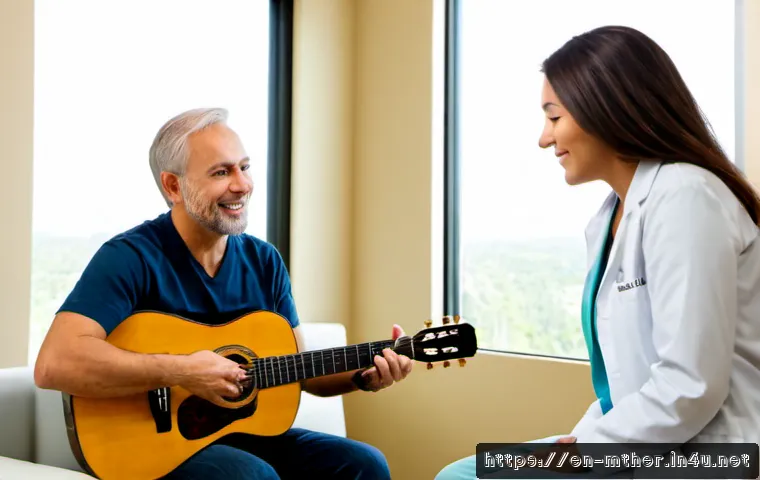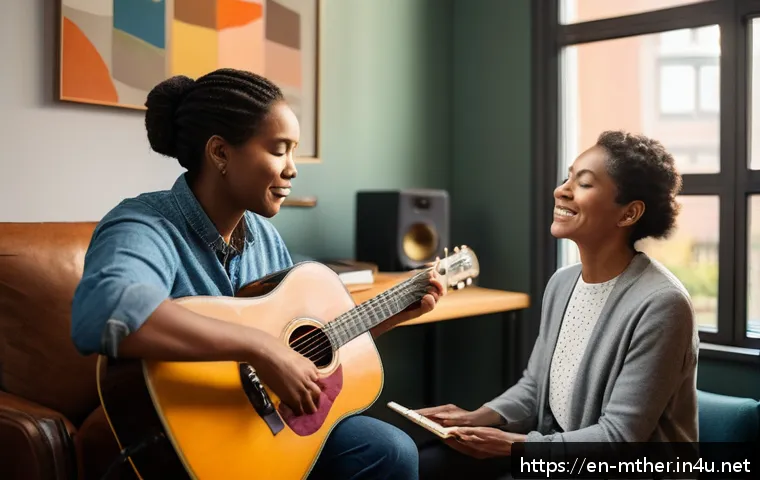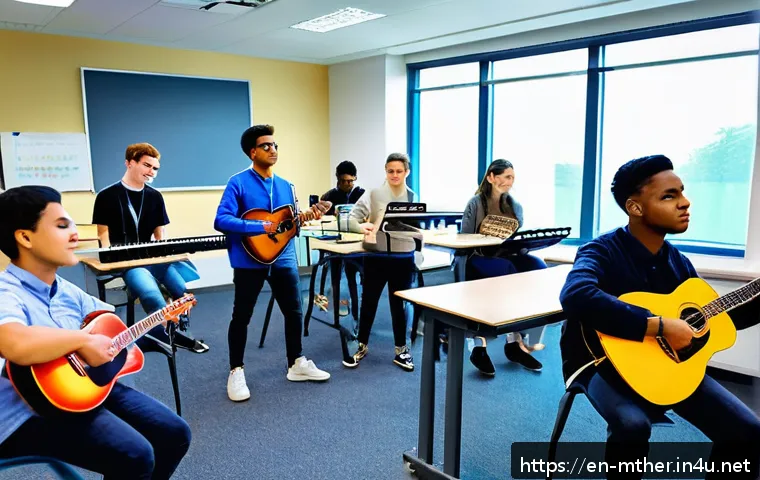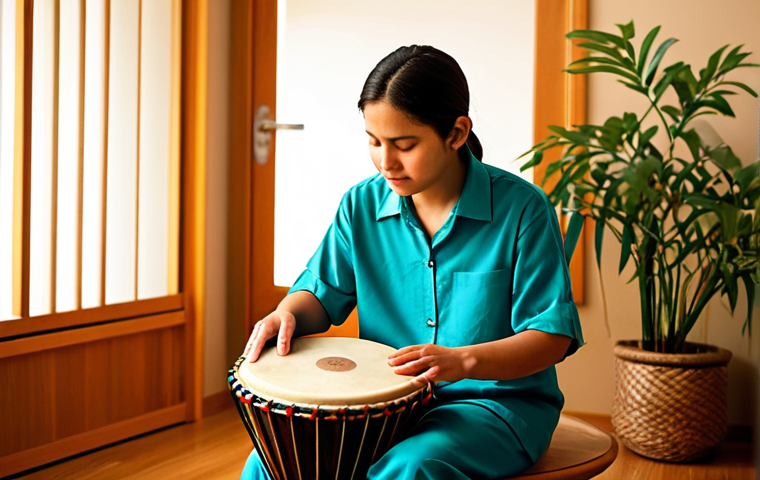
Have you ever noticed how a particular song can instantly shift your mood? Perhaps it makes you feel alive and ready to conquer the world, or maybe it gently soothes a restless mind.
This isn’t just a coincidence; it’s the raw power of music at play, and it’s precisely what music therapists harness every single day. Forget everything you thought you knew about ‘therapy’ being a quiet, somber affair; imagine instead a dynamic space where melodies become medicine.
It’s a field brimming with innovation, constantly finding new ways to heal, connect, and empower individuals across all walks of life. When I first delved into understanding music therapy, I was truly taken aback by its multifaceted approach.
It’s far more than just playing instruments or singing; it involves tailored interventions, from guided imagery with music and songwriting to rhythmic entrainment and improvisation.
We’re seeing incredible advancements, especially with neuroscientific research validating its impact on brain plasticity, pain management, and even cognitive function in conditions like Parkinson’s or stroke recovery.
I’ve personally seen how a simple rhythm can unlock communication in someone struggling with aphasia, or how composing a song can give a voice to trauma survivors who previously felt mute.
Looking at current trends, the integration of technology is genuinely revolutionizing the field. Virtual reality is emerging as a powerful tool, allowing patients to engage in immersive musical experiences that might not be physically accessible otherwise, perhaps even reducing anxiety before surgery in a way we never thought possible.
Wearable tech that monitors physiological responses to music is also opening doors for personalized, real-time feedback, making sessions even more precise and effective.
The future hints at hyper-personalized therapeutic playlists generated by AI, not to replace the therapist, but to augment their work, ensuring optimal sonic environments for each unique individual’s healing journey.
It’s an exciting time, where ancient wisdom meets cutting-edge innovation. Let’s dive deeper below.
The Personal Resonance: Unlocking Hidden Depths
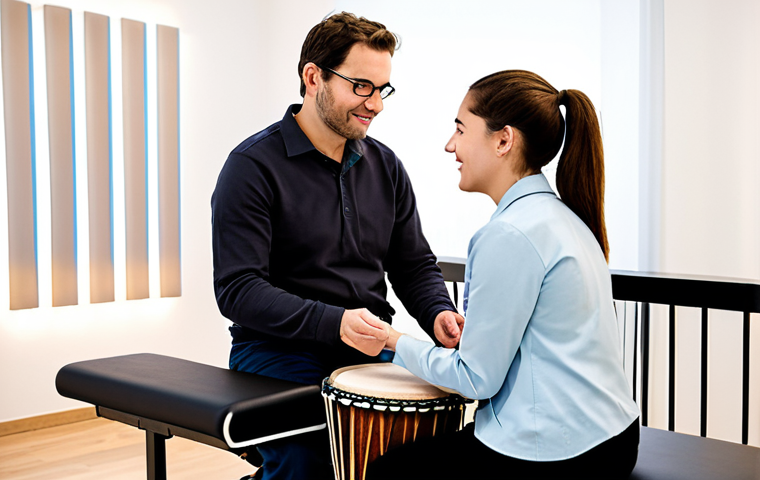
When you truly immerse yourself in the world of music therapy, one of the most profound observations you make is how deeply personal and transformative the experience can be for individuals.
It’s not just about listening to music; it’s about interacting with it, creating it, and letting its vibrations resonate with your innermost being in ways that words often cannot.
I’ve witnessed countless times how a carefully chosen melody or a spontaneous drum beat can unlock a flood of emotions, offering a safe and non-judgmental space for expression.
This isn’t theoretical; it’s tangible, raw human experience unfolding right before your eyes. Imagine someone who has been unable to communicate verbally for years, suddenly humming a tune from their childhood, a spark of recognition and joy lighting up their face – that’s the magic we’re talking about.
It’s about more than just feeling better; it’s about reconnecting with oneself and the world.
Beyond Words: Emotional Release and Connection
The beauty of music therapy lies in its ability to transcend linguistic barriers. For individuals grappling with trauma, anxiety, or depression, verbal articulation of their pain can often feel impossible, overwhelming, or simply out of reach.
This is where music steps in as a powerful, non-threatening conduit for emotional release. It’s truly incredible how a simple progression of chords can evoke a forgotten memory, or how improvisational drumming can externalize pent-up frustration in a healthy, constructive manner.
I’ve seen clients, initially hesitant and withdrawn, gradually open up as they found their voice, not through spoken words, but through the rhythm and melody they co-created with the therapist.
This shared musical journey fosters a unique connection, building trust and rapport in a way that traditional talk therapy might take much longer to achieve, offering immediate avenues for connection that bypass the analytical mind.
Reclaiming Identity: Narrative and Self-Discovery Through Song
Music therapy isn’t solely focused on managing symptoms; it’s also a powerful tool for identity exploration and narrative reconstruction. Through songwriting, lyric analysis, or even creating personal playlists, individuals are empowered to tell their own stories, process their experiences, and envision their future.
It’s a deeply empowering process that allows people to reclaim agency over their narratives, especially for those whose voices may have been silenced by illness, trauma, or societal barriers.
When I think back to one client who, through writing a simple song, was able to articulate the complex journey of overcoming addiction, it really brought home the power of this modality.
It wasn’t just a song; it was a testament to their resilience, a blueprint for their recovery, and a new understanding of who they truly are beyond their challenges.
Witnessing Transformation: Diverse Applications of Sound
The applications of music therapy are astonishingly broad, touching lives across the entire human spectrum, from newborns to the elderly, and encompassing a vast array of physical, cognitive, and emotional challenges.
It’s a testament to music’s universal language and its innate ability to connect with us on multiple levels. My personal journey into understanding this field has continually revealed new facets and unexpected areas where music can bring about significant, measurable improvements.
From helping premature babies thrive in neonatal intensive care units by regulating their heart rates and sleep patterns, to supporting individuals with Parkinson’s disease improve gait and motor control, the sheer diversity of its impact is truly humbling.
This isn’t merely about feeling good; it’s about facilitating tangible functional improvements that enhance daily living and overall quality of life.
Healing Invisible Wounds: Trauma and Mental Health Support
In the realm of mental health, music therapy provides a critical, often life-changing intervention. For survivors of trauma, traditional verbal therapy can sometimes feel re-traumatizing or overwhelming.
Music offers a non-verbal pathway to process difficult emotions and memories, allowing for gradual desensitization and integration. Through techniques like guided imagery with music or improvisational expression, clients can safely explore their internal landscapes without the pressure of verbal articulation.
I recall a poignant moment during an internship where a veteran struggling with PTSD found immense solace in drumming; the rhythmic action helped regulate his nervous system, reducing hyperarousal and allowing him to experience moments of profound calm he hadn’t felt in years.
It creates a container for profound emotional work that respects individual pacing and readiness.
Bridging Communication Gaps: Neurodevelopmental and Physical Rehabilitation
For individuals with neurodevelopmental disorders like autism spectrum disorder, or those recovering from stroke or brain injury, music therapy offers unique avenues for communication, cognitive stimulation, and motor rehabilitation.
The rhythmic and structured nature of music can provide a predictable environment that helps organize sensory input, improve attention, and facilitate speech and language development.
For stroke survivors, rhythmic auditory stimulation (RAS) can literally help “retrain” the brain to regain walking ability by synchronizing movements to a beat.
It’s incredibly impactful to see someone who has lost the ability to speak find a way to communicate through singing, or a child with limited social engagement connect with others through a shared musical play experience.
This isn’t just theory; it’s observable, functional improvement.
| Therapeutic Goal | Music Therapy Intervention Examples | Observed Benefits |
|---|---|---|
| Emotional Regulation | Guided relaxation with music, songwriting, expressive improvisation | Reduced anxiety, anger management, enhanced mood stability |
| Cognitive Function | Lyric analysis, musical games, instrument playing (rhythm/melody) | Improved memory, attention span, problem-solving skills |
| Motor Skills | Rhythmic auditory stimulation, movement to music, instrument playing | Enhanced gait, coordination, fine and gross motor control |
| Communication | Singing, songwriting, vocal improvisation, melodic intonation therapy | Improved verbal fluency, articulation, social interaction |
The Science of Sound: How Melodies Reshape the Brain
Delving into the neuroscientific underpinnings of music therapy is absolutely captivating. It’s one thing to witness the emotional and behavioral changes, but to understand *why* and *how* music elicits these responses on a physiological level truly solidifies its standing as a legitimate therapeutic modality.
We’re not just talking about feel-good vibes; we’re talking about measurable changes in brain activity, neural pathways, and biochemical responses. The increasing body of research utilizing fMRI scans, EEG, and other sophisticated tools is consistently demonstrating how music directly impacts areas of the brain involved in emotion, memory, motor control, and reward.
This scientific validation is crucial for further integration of music therapy into mainstream healthcare settings, moving it beyond anecdotal evidence to evidence-based practice.
Neuroplasticity in Action: Rhythmic Entrainment and Cognitive Boost
One of the most compelling aspects is music’s profound influence on neuroplasticity – the brain’s ability to reorganize itself by forming new neural connections.
Rhythmic entrainment, for instance, where brainwave patterns synchronize with external rhythms, has shown incredible potential. Think about how a marching band can help synchronize the steps of its members; similarly, specific musical rhythms can entrain brain oscillations, leading to improvements in attention, focus, and even motor coordination in individuals with neurological conditions.
Furthermore, engaging in musical activities, whether it’s learning an instrument or actively listening, stimulates multiple brain regions simultaneously, fostering new connections and strengthening existing ones, essentially giving the brain a comprehensive workout that can enhance cognitive function across the board.
It’s like a gym for your grey matter, but way more fun.
Pain’s Symphony: Music as a Non-Pharmacological Analgesic
The application of music in pain management is another area where the science truly shines. Chronic pain is a debilitating condition, and traditional pharmacological approaches often come with significant side effects.
Music offers a potent, non-invasive alternative or adjunct. It works through several mechanisms: distracting the brain from pain signals, stimulating the release of endorphins (the body’s natural painkillers), and influencing the autonomic nervous system to induce relaxation and reduce muscle tension.
I’ve observed patients post-surgery experiencing significant reductions in perceived pain and requiring less analgesic medication when music therapy was integrated into their recovery plan.
It’s not just masking the pain; it’s actively altering the body’s response to it, providing a sense of control and comfort that deeply enhances the healing process.
The Human Touch: The Art and Skill of the Music Therapist
While the science and the results are undeniable, it’s absolutely crucial to highlight that music therapy is far more than just playing music. At its core, it’s a deeply human-centered practice, relying heavily on the skill, intuition, and empathy of the trained music therapist.
They are not merely musicians; they are clinical professionals who utilize music within a therapeutic relationship to address physical, emotional, cognitive, and social needs of individuals.
This often gets overlooked, but the difference between just listening to a playlist and engaging in a structured, goal-oriented music therapy session is immense.
It’s the therapist’s ability to understand the nuances of human behavior, combined with their musical expertise, that truly crafts transformative experiences.
More Than a Musician: Training and Professionalism
Becoming a certified music therapist is a rigorous journey that involves extensive academic study, clinical training, and supervised internships. They delve into psychology, anatomy, physiology, research methods, and diverse musical interventions.
This isn’t just about being able to play an instrument beautifully; it’s about understanding how to use music as a tool for assessment, intervention, and evaluation within a clinical framework.
I remember learning about the intensive supervision hours required, highlighting the immense responsibility and ethical considerations involved in working with vulnerable populations.
Their training equips them to adapt interventions to individual needs, ensure safety, and measure progress, making them integral members of multidisciplinary healthcare teams.
Tailoring the Tune: Individualized Care and Therapeutic Rapport
One of the hallmarks of effective music therapy is its highly individualized approach. There’s no one-size-fits-all playlist or intervention. A skilled music therapist carefully assesses a client’s needs, preferences, cultural background, and musical history to create a bespoke therapeutic experience.
This might involve anything from songwriting for self-expression to rhythmic exercises for motor rehabilitation or lyric analysis for processing grief.
Building a strong therapeutic rapport is also paramount. The therapist acts as a compassionate guide, creating a safe and trusting environment where clients feel comfortable exploring their vulnerabilities through musical engagement.
This personal connection, often forged through shared musical moments, is what truly amplifies the therapeutic impact, making each session uniquely powerful.
Addressing the Skeptics: Common Misconceptions and Real-World Impact
Despite the growing body of evidence and countless success stories, music therapy still faces its fair share of misconceptions. Some people might dismiss it as merely “entertainment” or a “feel-good activity” rather than a legitimate clinical intervention.
This skepticism, while understandable given its artistic medium, often stems from a lack of understanding about the rigorous training involved and the scientific principles underpinning its practice.
It’s vital to challenge these notions and highlight the very real, measurable impact it has on people’s lives, which often extends far beyond what traditional therapies alone can achieve.
The real-world applications and transformations speak volumes, if only people take the time to truly listen and learn.
Is It Just Entertainment? Dispelling Myths
Perhaps the most pervasive myth is that music therapy is simply about playing pleasant music for enjoyment. While enjoyment is often a beneficial side effect, it’s not the primary goal.
A board-certified music therapist is not performing for an audience; they are facilitating a therapeutic process with specific, measurable objectives.
They use music intentionally to achieve non-musical goals, whether it’s improving communication in a child with autism, reducing agitation in someone with dementia, or helping a trauma survivor process their experiences.
The choice of music, the method of engagement (active participation vs. receptive listening), and the therapeutic goals are all carefully considered and tailored, fundamentally distinguishing it from passive entertainment.
It’s an active, clinical process designed for healing and growth.
Quantifying the Unseen: Evidenced-Based Practice and Future Research
Another challenge is demonstrating the ‘hard’ evidence for something that often feels so intangible. However, the field of music therapy is increasingly embracing evidence-based practice, with robust research studies demonstrating its efficacy across diverse populations and conditions.
From randomized controlled trials to neuroimaging studies, researchers are continuously working to quantify the physiological and psychological changes brought about by music.
The future of music therapy undoubtedly involves even more sophisticated research, especially leveraging advancements in neuroscience and data analytics, to further refine interventions and solidify its place within the healthcare landscape.
The goal isn’t just to prove it works, but to understand precisely how and for whom, ensuring optimal outcomes for every individual seeking support.
The Future’s Cadence: Technology, Accessibility, and Evolution
As we look ahead, the future of music therapy appears incredibly dynamic and promising, poised for significant growth and innovation. The intersection of ancient wisdom and cutting-edge technology is creating exciting new possibilities for delivery, accessibility, and personalization.
We’re moving beyond traditional clinical settings, reaching more individuals than ever before, and adapting therapeutic approaches to suit the evolving needs of a diverse global population.
It’s a truly thrilling time to be involved in this field, with advancements hinting at a future where music therapy is not only more widely recognized but also more seamlessly integrated into our daily lives and healthcare systems, reaching those who need it most, regardless of their location or circumstances.
Virtual Realities, Real Healing: Immersive Experiences
The integration of virtual reality (VR) into music therapy is a particularly fascinating development. Imagine a patient undergoing chemotherapy being transported to a serene virtual forest, where calming melodies reduce their anxiety and nausea, all without leaving their hospital bed.
VR offers immersive, controlled environments where music can be experienced in novel ways, potentially enhancing engagement, reducing perceived pain, and managing stress in ways traditional settings cannot.
It also opens doors for exposure therapy, allowing individuals to safely confront anxiety-inducing situations within a musical context. This blend of sensory experience and therapeutic sound is just beginning to unfold its full potential, promising a new dimension of therapeutic possibilities that were once confined to science fiction.
Global Harmonies: Expanding Reach and Collaborative Models
The future also holds tremendous promise for expanding the reach and accessibility of music therapy. Telehealth platforms are already making it possible for therapists to connect with clients in remote areas or those with mobility challenges, breaking down geographical barriers.
We’re also seeing increased collaboration with other disciplines, such as artificial intelligence and big data analytics, which could lead to hyper-personalized musical interventions or predictive models for therapeutic outcomes.
The vision is to make music therapy a standard, accessible option within integrative healthcare models worldwide, promoting well-being and recovery on a much broader scale.
The global movement towards holistic health firmly positions music therapy as an indispensable part of comprehensive care, creating a more harmonious and healthier future for everyone.
Concluding Thoughts
As I reflect on the incredible journey music therapy offers, it’s clear that its power transcends mere sound waves. It’s a profound testament to our innate connection to rhythm and melody, a connection that can mend, empower, and illuminate pathways to healing. I’ve personally seen it transform despair into hope, silence into expression, and fragmentation into wholeness. If you or someone you know is navigating challenges, perhaps it’s time to consider the restorative embrace of music therapy. It’s more than just a complementary treatment; it’s a vital bridge to well-being, waiting to resonate with your unique inner harmony.
Useful Information
1. Finding a Qualified Therapist: Always look for a board-certified music therapist (MT-BC in the US, or equivalent certification in your country). This ensures they have undergone rigorous training and adhere to professional standards.
2. What to Expect: Music therapy sessions are highly individualized. They can involve listening to music, singing, playing instruments, songwriting, or even movement. The therapist will guide you based on your specific goals and needs.
3. No Musical Skill Required: You absolutely do not need any musical talent or experience to benefit from music therapy. The focus is on the therapeutic process, not on performance or musical proficiency.
4. Diverse Applications: Music therapy is effective for a wide range of conditions, including mental health disorders, neurological conditions, developmental disabilities, chronic pain, and palliative care. Don’t hesitate to inquire if it’s right for your situation.
5. Explore Resources: Organizations like the American Music Therapy Association (AMTA) or the British Association for Music Therapy (BAMT) offer valuable resources, therapist directories, and more information about the field.
Key Takeaways
Music therapy is a powerful, evidence-based clinical intervention that leverages music to address diverse physical, emotional, cognitive, and social needs. It fosters emotional release, aids in self-discovery, and significantly impacts neuroplasticity and pain management. Crucially, its success hinges on the expertise of a trained, board-certified music therapist who provides highly individualized care. Far from mere entertainment, it offers a scientifically validated path to holistic well-being, continually evolving with technological advancements and expanding its global reach for a more harmonious future.
Frequently Asked Questions (FAQ) 📖
Q: What really sets music therapy apart from just, say, jamming out to your favorite playlist or taking a piano lesson?
A: Oh, that’s a brilliant question, and one I get asked all the time! Honestly, it’s the difference between a delicious meal cooked by a friend and a specific, nutrient-rich diet designed by a nutritionist for your unique health needs.
When you’re just listening to music, it’s often for pleasure or mood enhancement – and that’s fantastic! But music therapy? That’s a clinical, evidence-based practice led by a board-certified professional.
We’re not just putting on a song; we’re meticulously selecting, creating, or adapting musical experiences with very specific therapeutic goals in mind.
I’ve been in sessions where a client, perhaps a young person struggling with anxiety, used improvisation on drums not to learn a beat, but to literally pound out their frustrations in a safe, controlled way.
It’s about meeting measurable objectives, whether it’s improving communication, managing pain, boosting motor skills, or processing deep emotions. It’s purposeful, deeply individualized, and honestly, a lot more profound than hitting play on Spotify.
Q: What specific challenges or conditions have you seen music therapy make a real difference for?
A: That’s where the magic truly unfolds, isn’t it? From a professional standpoint, the breadth is astonishing. We’re talking about everything from developmental delays in children to neurological conditions like Parkinson’s or Alzheimer’s, stroke recovery, and even serious mental health challenges like PTSD or severe depression.
I remember working with a veteran who, for years, couldn’t articulate the trauma he carried. But through songwriting, slowly, rhythm by rhythm, lyric by lyric, he found a way to externalize his pain, and it was like watching a dam break, allowing healing to finally rush in.
It’s not just the big, dramatic cases either. I’ve seen it calm a child pre-surgery, reduce chronic pain for folks who’ve tried everything else, and give a voice back to individuals with aphasia.
The science now backs this up too, showing how music directly impacts brain function, promoting neuroplasticity. It’s truly versatile because music taps into something so primal and universal within us.
Q: You mentioned technology. How is it really changing the game in music therapy, and what’s next?
A: Oh, the tech angle is utterly thrilling! It’s like adding rocket fuel to an already powerful engine. Take virtual reality – I’ve facilitated sessions where a client dealing with severe mobility issues could ‘virtually’ play drums on a mountain top, or ‘conduct’ an orchestra in a bustling city square.
This offers immersive, empowering experiences that simply wouldn’t be possible in a clinical room, greatly enhancing engagement and motivation. Then there are wearables: imagine a patient wearing a device that gives real-time biofeedback – heart rate, skin conductance – while they’re listening to certain music.
This helps us precisely tailor the sonic environment to their physiological responses, making interventions incredibly precise. And what’s on the horizon?
Personalized AI-generated therapeutic playlists, perhaps. Not to take over from the human therapist, heavens no! But to augment our work, allowing us to create incredibly nuanced, responsive soundscapes that adapt to a client’s mood or physical state moment-by-moment.
It’s about leveraging these tools to deepen the human connection and therapeutic impact, not replace it. It’s a dynamic marriage of ancient human connection to sound and cutting-edge innovation.
📚 References
Wikipedia Encyclopedia
구글 검색 결과
구글 검색 결과
구글 검색 결과
구글 검색 결과
구글 검색 결과