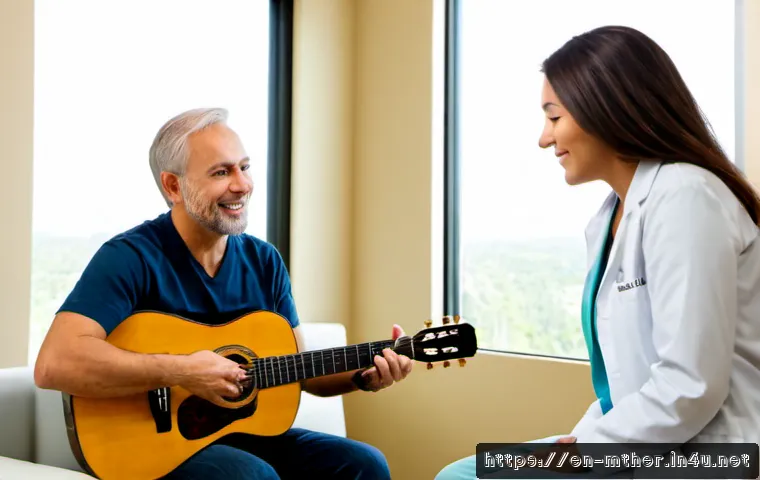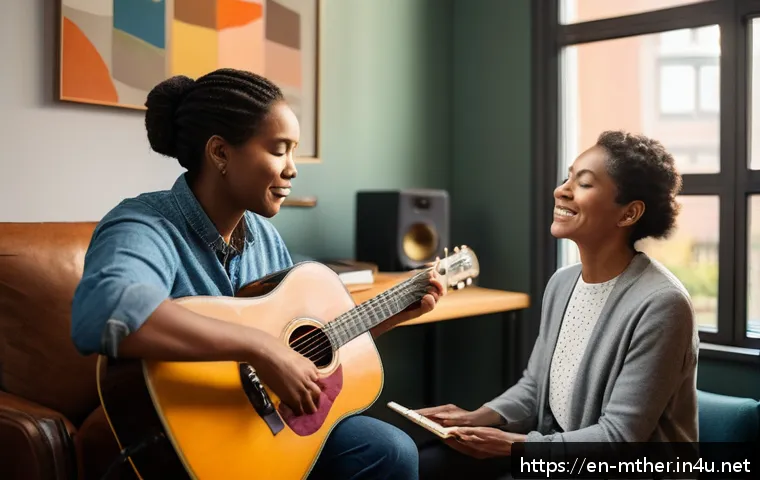
Ever wondered what it truly means to connect with someone on a profound level, not just through words, but through the universal language of sound? As a seasoned clinical music therapist, I’ve had the immense privilege of witnessing firsthand the breathtaking transformations that unfold when rhythm, melody, and harmony become powerful tools for healing.
From the quiet solace a patient finds in a simple strum of a guitar, to the vibrant energy of a group reclaiming their voices, my years in various clinical settings have been a continuous journey of discovery, filled with both heartwarming triumphs and incredibly tough moments.
It’s truly amazing to see how our field is constantly evolving, especially with exciting new avenues like personalized soundscapes leveraging AI and virtual reality to create even more immersive and effective therapeutic experiences, pushing the boundaries of what we thought was possible.
You know that feeling when a song just ‘gets’ you? Imagine harnessing that power, specifically tailored to help someone navigate trauma, manage chronic pain, or find clarity amidst mental health struggles.
How do we, as therapists, craft these unique sonic journeys, and what does it feel like to be there, guiding someone through their most vulnerable moments?
If you’ve ever been curious about the real-world impact and the intricate dance between art and science in healing, you’re in the right place. Let’s dive deeper and uncover the fascinating realities and powerful stories from my clinical experience, right here, right now!
Unveiling the Unspoken: Music as a Language of the Soul
There’s a beautiful, almost magical quality to how music transcends the limitations of words. In my years as a clinical music therapist, I’ve seen countless times how a simple melody or a rhythmic beat can open up avenues of expression that spoken language simply can’t reach. It’s truly a profound experience to witness someone who has been silent, perhaps due to trauma or a debilitating illness, find their voice again through a drum or a song. I remember one particular patient, a young man who had withdrawn completely after a significant loss. He wouldn’t speak, would barely make eye contact. But when I introduced a gentle acoustic guitar piece, I saw a flicker in his eyes. Slowly, over weeks, that flicker turned into humming, then into softly plucking a string himself. It wasn’t about perfect pitch or complex harmonies; it was about connection, about expressing an internal world that had been locked away. This is the heart of what we do: we create a space where sound becomes a safe conduit for feelings that are too overwhelming or too subtle for words alone. It’s a privilege to be part of that journey, to gently coax out those hidden narratives through the universal language of sound. Sometimes it’s a blues improvisation that channels frustration, other times a lullaby that offers solace and peace. Every session is a unique exploration, and I’ve learned to listen not just with my ears, but with my whole being, to the stories that music tells.
The Echoes of Emotion: Understanding Non-Verbal Cues
One of the most fascinating aspects of my work is learning to interpret the subtle, non-verbal cues that music brings forth. It’s not always about what someone plays or sings, but how they play or sing. The hesitant strum, the sudden burst of aggressive drumming, the quiet hum that trails off – each is a valuable piece of information, a window into their emotional landscape. I’ve often found that patients who struggle to articulate their feelings verbally will project them vividly into their musical expressions. For instance, a rapid, disorganized rhythm might indicate anxiety or agitation, while a slow, drawn-out melody could signify sadness or deep contemplation. My role isn’t to diagnose based on these cues, but to meet the patient where they are, to reflect their musical output in a way that validates their experience and encourages further exploration. It’s like having a conversation without needing a single spoken word, building trust and rapport through shared sonic moments. When I see a patient’s breathing become more regulated as they listen to a specific tempo, or witness tears flow freely during a particular harmonic progression, I know we’re accessing something deeply resonant and truly therapeutic. It’s a continuous lesson in empathy and observation, requiring me to be fully present and attuned to every subtle shift in the musical dialogue.
Crafting Sonic Safe Havens: My Approach to Initial Sessions
When I first meet a new client, especially those who are hesitant or new to music therapy, my primary goal is to establish a sense of psychological safety. This often means starting with very simple, non-threatening musical interactions. I might offer a variety of instruments – from gentle chimes and soft drums to an acoustic guitar – and simply invite them to explore, without any pressure to perform. There’s no “right” or “wrong” way to make music in my sessions. My approach is always person-centered, meaning the client’s preferences and comfort levels guide our initial steps. I might play something soothing and invite them to listen, or offer a simple percussive instrument to join me if they feel inclined. I’ve noticed that for many, the act of simply creating a sound, any sound, without judgment, can be incredibly empowering. It’s about breaking down barriers and showing them that this space is for their healing, not for their musical prowess. Building that initial trust is paramount, and it often involves a lot of active listening on my part, both to their words and to the subtle music they create. I’ll share a bit about my own musical journey, not to boast, but to demonstrate that music is a human experience accessible to everyone. Sometimes, it’s just about finding that one note, that one rhythm, that resonates with their current state, and then gently building from there.
The Rhythmic Journey Through Trauma and Healing
Working with individuals who have experienced trauma is undeniably one of the most challenging, yet profoundly rewarding, aspects of clinical music therapy. Trauma often leaves people feeling disconnected from their bodies, their emotions, and even their sense of self. What I’ve consistently observed is how rhythm, in particular, can be a powerful anchor, helping to ground individuals and regulate their nervous systems. The body remembers trauma, and sometimes words can feel inadequate or even re-traumatizing. But a steady, predictable beat can offer a sense of control and safety, slowly allowing a person to re-engage with their internal experience in a manageable way. I remember working with a veteran who suffered from severe PTSD. He would often describe feeling “scattered.” We started with very simple, repetitive drumming, me mirroring his pace until a shared rhythm emerged. Over time, that shared rhythm became a foundation upon which he could process his experiences without being overwhelmed. It wasn’t about reliving the trauma, but about finding a way to safely contain and integrate those intense feelings. The rhythm became a container, a steady pulse against the chaos, and I honestly believe it’s one of the most effective non-verbal tools we have to help people reclaim their sense of inner calm and resilience. It’s not a quick fix, never is, but the steady beat can truly be a lifeline.
Gently Guiding Through Discord: Practical Techniques
When working with trauma, the choice of musical intervention is incredibly delicate. We often start with grounding techniques, using simple, predictable rhythms or soothing harmonies to establish a sense of safety and predictability. Improvisation can be particularly effective, but it must be carefully guided. I often use what we call “iso-principle,” where I match the client’s current emotional and physiological state musically, and then gradually alter the music towards a more desired state, like relaxation or focus. For example, if a client is agitated, I might begin with faster, more dissonant music and slowly transition to a slower tempo and more consonant harmonies. Another technique I frequently employ is rhythmic entrainment, where we use a steady, external rhythm to help regulate internal physiological rhythms like heart rate and breathing. Imagine the calming effect of a gentle metronome, slowly guiding your breath. For some, composing simple songs or creating lyric analyses can also provide a safe distance to process difficult emotions. The key is always titration – introducing musical elements in small, manageable doses, ensuring the client feels in control and never overwhelmed. It’s an intricate dance of responsiveness and gentle leadership, creating a space where healing can unfold at their own pace.
Witnessing Breakthroughs: Stories from the Front Lines
The breakthroughs I’ve witnessed in trauma-informed music therapy are often subtle but incredibly impactful. It might be a patient who, after weeks of quiet work, suddenly finds the courage to sing a self-composed song about their experience, or someone who uses an instrument to portray a vivid memory they couldn’t articulate verbally. One powerful memory I have is of a young woman who had been sexually abused. She found it impossible to talk about her ordeal. In our sessions, she started improvising on a drum, creating frantic, almost chaotic rhythms. Instead of trying to calm her, I joined her, matching her intensity. Slowly, as we played together, the rhythms began to shift, becoming more controlled, eventually leading to a powerful, cathartic release of emotion. Afterwards, she spoke for the first time about feeling “heard” and “understood” without having to use words. It was a testament to music’s power to validate and release. These moments, where a client reclaims a piece of themselves, finds a voice they thought was lost, or simply experiences a moment of profound peace, are what fuel my passion for this work. They remind me that healing isn’t always linear, but through the unique pathway of music, transformation is always possible, even in the darkest of places.
Personalized Soundscapes: The Future is Now
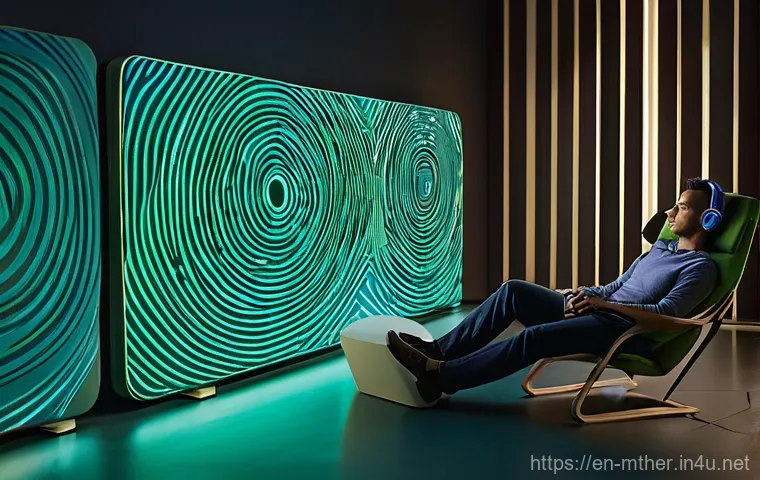
The field of clinical music therapy is constantly evolving, and one of the most exciting frontiers I’ve seen emerge in recent years is the development of personalized soundscapes. Gone are the days when therapy meant a one-size-fits-all playlist. With advancements in technology, including AI and virtual reality, we’re now able to craft incredibly specific, immersive auditory environments that are tailored to an individual’s unique needs, preferences, and therapeutic goals. It’s like having a master composer create a symphony just for your nervous system. I’ve personally experimented with various platforms that use biofeedback data—things like heart rate variability or skin conductance—to dynamically adjust a soundscape in real-time. Imagine a gentle drone that subtly shifts its frequency as your anxiety levels fluctuate, or a rhythmic pattern that adapts to help you regulate your breathing during a panic attack. This isn’t just about playing calming music; it’s about creating an interactive, responsive auditory experience that actively engages with the patient’s physiological and psychological state. The potential for enhancing engagement, reducing symptom severity, and fostering deeper emotional processing is immense. It allows us to extend the reach of our therapeutic interventions beyond the session room, giving patients tools they can use in their daily lives to manage their well-being. It’s truly pushing the boundaries of what we thought was possible, and I’m genuinely thrilled to be witnessing and contributing to this exciting phase.
Blending Tech and Touch: Integrating AI and VR
Integrating AI and VR into clinical music therapy isn’t about replacing the human element; it’s about augmenting it. What AI offers is the ability to analyze vast amounts of data – from a patient’s vocalizations and movement patterns during a session to their physiological responses – and then generate highly personalized musical interventions. For instance, AI algorithms can help identify specific sonic frequencies or rhythmic patterns that are most effective for an individual’s pain management or relaxation needs. VR, on the other hand, allows us to create fully immersive environments where sound and visuals work in tandem to create powerful therapeutic experiences. Picture a patient experiencing chronic pain being transported to a serene virtual forest, where the sounds of nature are carefully designed to distract, soothe, and reduce their perception of discomfort. I’ve seen how these tools can reduce anxiety before medical procedures, help individuals process grief in a controlled, symbolic environment, or even assist in cognitive rehabilitation by creating engaging musical challenges. The therapist’s role remains crucial, of course, guiding the experience, interpreting responses, and ensuring the technology serves the therapeutic goals rather than dictating them. It’s truly a collaborative dance between cutting-edge innovation and heartfelt human connection, amplifying our ability to provide precise and impactful care.
The Art of Sonic Prescription: Tailoring for Impact
Crafting these personalized soundscapes is truly an art form that requires both clinical insight and a deep understanding of psychoacoustics. It’s much more than just picking a genre of music. We consider factors like tempo, rhythm complexity, harmonic structure, timbre, and even specific frequencies known to influence brainwave states. For a patient struggling with insomnia, a soundscape might incorporate binaural beats or very slow, sustained tones to encourage delta wave activity, promoting deep sleep. For someone with ADHD, a soundscape could feature consistent, moderate rhythms and white noise to help improve focus and reduce distractions. I’ve found that the most effective soundscapes are those that are iteratively refined, constantly adjusting based on patient feedback and observable responses. It involves a detailed intake process to understand the patient’s entire history, their musical preferences (or dislikes!), and their specific therapeutic objectives. We’re essentially creating a sonic “prescription,” meticulously designed to address their unique set of challenges. This level of personalization ensures that the intervention is not only effective but also highly engaging, increasing adherence and ultimately leading to better outcomes. It’s a testament to how far we’ve come from simply playing a CD of “relaxing music” to a sophisticated, data-driven approach to auditory healing.
Cultivating Connection: Group Therapy’s Harmonious Power
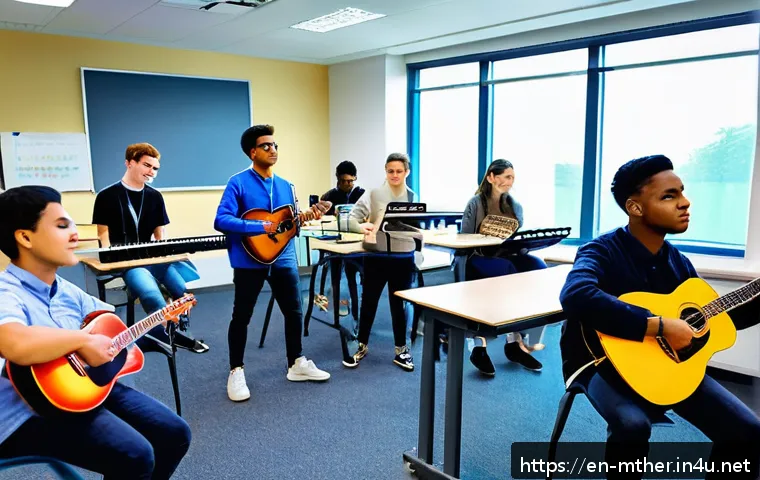
While one-on-one sessions offer incredible depth, there’s a unique and profound power in group music therapy that I’ve found to be truly transformative. In a group setting, music acts as a universal equalizer, breaking down social barriers and fostering a sense of belonging and shared experience. I’ve seen shy individuals, who would never dare to speak in a traditional therapy group, blossom as they find their rhythm alongside others. The shared act of making music – whether it’s drumming together, singing a familiar tune, or improvising as an ensemble – creates an immediate, non-verbal bond. It’s like everyone is speaking the same language, even if they come from vastly different backgrounds or have different diagnoses. This collective energy can be incredibly validating and empowering. People realize they aren’t alone in their struggles, and the mutual support that emerges through shared musical expression is something truly special. I remember facilitating a group for individuals recovering from addiction, and the raw emotion and solidarity that came through their collective songwriting sessions were breathtaking. It created a supportive microcosm where everyone felt safe to be vulnerable, to experiment, and to heal together. It’s less about individual performance and more about the collective journey, building a community where harmony is found not just in the music, but in the shared human experience.
Finding Our Collective Rhythm: Benefits of Shared Musical Spaces
The benefits of shared musical spaces in group therapy are multifaceted. Firstly, it enhances social interaction and communication skills. Participants learn to listen actively, respond improvisationally, and coordinate their actions with others. This can be particularly beneficial for individuals struggling with social anxiety or developmental disorders. Secondly, group music making provides opportunities for emotional expression and catharsis in a safe, contained environment. The collective energy can amplify the emotional release, making it feel less isolating. Thirdly, it builds self-esteem and self-confidence. Witnessing your own contribution blend harmoniously with others, or successfully leading a rhythmic pattern, can be incredibly validating. I’ve often seen individuals who initially felt they had “no musical talent” discover their innate rhythmic abilities and gain a newfound sense of capability. Furthermore, group music therapy fosters empathy and understanding, as participants attune to each other’s musical expressions and support one another through challenges. It’s a beautiful dynamic where personal growth is intertwined with collective well-being, creating a ripple effect of positive change that often extends far beyond the therapy room. The shared experience becomes a powerful memory, a blueprint for positive interaction.
Overcoming Shyness: Encouraging Participation

Encouraging participation in a group, especially for those who are naturally shy or introverted, requires a gentle and invitational approach. I typically start with very low-pressure activities, like simply listening to a piece of music and inviting participants to share their feelings, or offering simple percussion instruments and allowing them to join in whenever they feel comfortable. I never force participation, as that can be counterproductive and create resistance. Instead, I focus on creating an atmosphere of acceptance and curiosity. Sometimes, I’ll use structured improvisation exercises that have clear, simple rules, making it easier for everyone to contribute without feeling exposed. For example, a “call and response” drumming circle can be a fantastic way to engage even the most hesitant participants. I also find that acknowledging and validating every contribution, no matter how small, is crucial. A simple nod or a positive comment can make a world of difference. Over time, as trust builds within the group, individuals often surprise themselves, taking on more active roles and finding their unique voice within the collective. It’s incredibly rewarding to witness that transformation, to see someone who once hid behind others step forward and confidently contribute to the group’s harmonious creation. The music itself often acts as a bridge, making connections where words alone might fail.
Beyond the Clinic Walls: Integrating Music into Daily Life
My work doesn’t stop when a session ends; in fact, a crucial part of clinical music therapy involves empowering clients to integrate the healing power of music into their daily lives. It’s about giving them tools and strategies they can use independently to manage stress, regulate emotions, improve focus, or simply find moments of peace. I often tell my clients, “The music isn’t just in this room; it’s a resource you carry with you.” This might involve creating personalized playlists tailored to specific moods or activities, teaching simple relaxation techniques using guided imagery and music, or encouraging them to explore new musical hobbies. I’ve found that when clients take ownership of their musical journey outside of therapy, the progress they make is far more sustainable and profound. It transforms music from a therapeutic intervention into a fundamental part of their self-care routine. For instance, I had a client struggling with chronic anxiety who we discovered found immense calm in slow, classical piano pieces. We developed a “calm playlist” together, and he would use it during his morning commute, turning a potentially stressful experience into a moment of intentional relaxation. These small, consistent applications of music can have a massive cumulative effect on overall well-being. It’s incredibly rewarding to see clients become their own music therapists, equipped with the knowledge and confidence to harness sound for their own benefit.
Simple Melodies, Profound Changes: Homework and Self-Care
Just like any other therapeutic modality, music therapy often benefits from “homework” – practical applications that clients can practice between sessions. This isn’t about rote exercises, but rather about gentle invitations to experiment with music in their everyday environments. I might suggest creating a “pump-up” playlist for when they need motivation, or a “wind-down” playlist for before bedtime. We might explore the benefits of active listening versus passive listening, or even try simple vocal toning exercises to release tension. For clients dealing with chronic pain, I often recommend exploring sound baths or guided meditations that use specific frequencies for pain relief, demonstrating how they can access these resources at home. The goal is always to make these musical practices accessible and enjoyable, ensuring they seamlessly integrate into their existing routines rather than feeling like another chore. It’s about discovering which sounds resonate most deeply with them and provide the most benefit, turning everyday moments into opportunities for therapeutic engagement. This self-discovery through music can be incredibly empowering, shifting the focus from reliance on a therapist to self-agency and personal growth. It’s a powerful reminder that music isn’t just entertainment; it’s a tool for profound self-care, readily available to us all.
Empowerment Through Practice: Sustaining Progress
The true measure of successful music therapy, in my opinion, is not just the progress made in sessions, but the client’s ability to maintain and build upon that progress independently. This empowerment comes from consistent practice and the development of a personal “musical toolkit.” I emphasize that music is a lifelong resource, always there to support them. We might discuss how different genres of music impact their mood, or how creating their own simple melodies can be a powerful emotional outlet. For example, a client struggling with anger might be encouraged to try vigorous drumming or playing loud, dissonant chords on a keyboard to safely express their feelings, rather than suppressing them. For another, a simple act of humming their favorite tune could be a calming ritual. I often encourage clients to keep a “music journal” where they note how different musical experiences affect them, fostering self-awareness and helping them identify their go-to musical strategies. By equipping them with these personalized strategies and encouraging ongoing exploration, we ensure that the positive changes initiated in therapy become deeply embedded habits, leading to sustained well-being long after formal sessions conclude. It’s about cultivating a relationship with music that supports them through all of life’s ups and downs, making it a constant companion on their journey.
| Goal Category | Specific Therapeutic Objectives | Example Musical Interventions |
|---|---|---|
| Emotional Regulation | Managing anxiety, reducing stress, expressing grief, improving mood. | Lyric analysis, guided imagery with music, active listening to calming soundscapes, expressive improvisation. |
| Physical Rehabilitation | Improving motor skills, pain management, gait training, increasing range of motion. | Rhythmic entrainment for movement, songwriting for pain distraction, playing instruments to strengthen muscles. |
| Cognitive Function | Enhancing memory, improving attention span, stimulating problem-solving. | Musical games, rhythmic recall exercises, songwriting to structure thoughts, active listening tasks. |
| Social Skills & Communication | Building rapport, fostering cooperation, improving verbal and non-verbal communication, reducing isolation. | Group improvisation, ensemble playing, collaborative songwriting, musical dialogues. |
| Self-Expression & Identity | Exploring personal narrative, building self-esteem, increasing self-awareness, validating experiences. | Songwriting, improvisation, musical life review, creating personal anthems. |
The Therapist’s Own Cadence: Self-Care and Continuous Growth
Being a clinical music therapist is incredibly rewarding, but it’s also emotionally demanding work. We immerse ourselves in the emotional landscapes of our clients, witnessing their pain, their struggles, and their triumphs. This means that, just like the instruments we use, we need to be meticulously tuned and regularly maintained. I’ve learned firsthand that if I don’t prioritize my own self-care, my ability to be present, empathetic, and effective for my clients diminishes significantly. It’s not selfish; it’s essential for professional longevity and ethical practice. My own relationship with music is, of course, a huge part of this. I make sure to carve out time for personal musical expression, whether it’s improvising on my piano, attending live concerts, or simply losing myself in a favorite album. But it goes beyond music; it’s about maintaining a healthy work-life balance, seeking supervision, engaging in personal therapy when needed, and having a strong support network of peers and loved ones. I recall a period early in my career where I felt completely burned out, trying to “fix” every client. It was through seeking my own therapist and leaning on my mentors that I truly understood the importance of boundaries and self-compassion. We can’t pour from an empty cup, and our clients deserve a therapist who is emotionally regulated and resilient. It’s a continuous journey of learning how to give without depleting oneself.
Keeping Our Own Instruments Tuned: Preventing Burnout
Preventing burnout in a demanding field like clinical music therapy requires proactive strategies. One crucial aspect for me is consistent supervision and peer support. Having a space to process difficult cases, celebrate successes, and receive guidance from experienced colleagues is invaluable. It helps me maintain perspective and avoid compassion fatigue. Another strategy I employ is regular debriefing after emotionally intense sessions. Sometimes, this means taking a few moments of silence, other times it involves journaling or discussing with a trusted colleague. Physical self-care is also non-negotiable – exercise, healthy eating, and adequate sleep are foundational. I’ve found that engaging in non-music-related hobbies helps to broaden my perspective and allows my mind to rest from clinical thinking. For instance, gardening or hiking provides a completely different kind of sensory input and creative outlet. Setting clear boundaries between work and personal life is paramount; resisting the urge to check emails late at night or over the weekend helps preserve my mental space. It’s about creating a sustainable rhythm for my own life, one that allows me to be fully present and engaged during work hours, and fully restorative during my personal time. We often teach clients about self-regulation, and we must practice what we preach.
Evolving with the Notes: Lifelong Learning in Music Therapy
The field of clinical music therapy is dynamic, constantly evolving with new research, techniques, and technological advancements. To remain an effective and ethical practitioner, lifelong learning is absolutely essential. This isn’t just about accumulating continuing education credits; it’s about maintaining a genuine curiosity and a commitment to growing as a therapist. I make it a point to regularly read new research, attend workshops and conferences, and engage in ongoing professional development. For instance, staying abreast of developments in neuroscience and how music impacts brain function is crucial for refining our interventions. Exploring new genres of music, learning new instruments, or even delving into related disciplines like mindfulness or somatic experiencing, can enrich my practice immensely. I’ve found that actively engaging with the academic and clinical communities helps me to critically evaluate my own methods and integrate best practices. It’s also incredibly inspiring to connect with other therapists, sharing insights and challenges. The moment we think we know everything is the moment we stop growing, and in a field dedicated to facilitating growth and healing in others, that’s simply not an option. Our own continuous evolution ensures that we bring the most current, effective, and compassionate care to our clients, ensuring our practice remains vibrant and impactful.
Wrapping Things Up
And there you have it, folks! It’s truly incredible, isn’t it, how music, in its purest form, can reach into the depths of our being, offering solace, expression, and profound healing. My journey as a music therapist has been one of constant awe and learning, witnessing firsthand the transformative power of sound. It’s not just about the notes and rhythms; it’s about the connections forged, the emotions unlocked, and the human spirit finding its voice again. I hope this deep dive has offered you a clearer picture of this beautiful field.
Good to Know Info
1. Choosing the right music therapist can feel a bit daunting, but it’s crucial for a positive experience. When I’m talking to friends or even considering a referral, I always emphasize looking for someone who is board-certified. In the United States, that means a Music Therapist-Board Certified (MT-BC) credential, which assures they’ve met rigorous standards for education and clinical training. Over in the UK, you’d be looking for a music therapist registered with the Health and Care Professions Council (HCPC). It’s more than just a certificate; it’s a testament to their dedication, ethical practice, and comprehensive understanding of how to apply music in a therapeutic context. Don’t be shy about asking about their qualifications, their experience with your specific needs, and even their approach to therapy. You’re building a relationship here, and trust is the foundation, so take your time to find someone who feels like a good fit for you. It’s like finding the right instrument; sometimes you have to try a few before you find the one that truly resonates.
2. Stepping into your first music therapy session? Don’t worry, it’s not a performance! Many people imagine they need to be “musical” or have a hidden talent, but that couldn’t be further from the truth. My sessions are about expression, not perfection. Typically, we’ll start with a chat, where I get to understand what brings you to therapy and what you hope to achieve. Then, it might involve anything from active listening to music I select, to gentle improvisation on simple instruments like drums or chimes, or even songwriting. There’s no pressure to “do” anything specific; it’s all about exploring how sounds and rhythms feel to you, and how they can help you connect with your inner world. I’ve often seen clients who were initially hesitant find immense relief in simply being present with sound, using it as a safe space to process emotions they couldn’t quite put into words. Every session is unique, tailored to you, and always collaborative.
3. It’s really common to wonder about the practical side of things, like how much music therapy costs and if your health insurance might cover it. And honestly, it’s a mixed bag, depending on where you are and your specific plan. Generally, the cost per session can vary quite a bit, much like other specialized therapies. In the U.S., some insurance plans do offer coverage for music therapy, especially if it’s deemed medically necessary for a condition like chronic pain, mental health disorders, or rehabilitation. However, it’s absolutely vital to check directly with your insurance provider about your specific benefits, as policies differ wildly. Don’t be afraid to ask your potential music therapist for their fee structure and if they offer a sliding scale. Sometimes, a portion of the cost might be covered through health savings accounts (HSAs) or flexible spending accounts (FSAs). It’s always a good idea to do your homework upfront, but please don’t let potential costs deter you from exploring this incredibly beneficial path.
4. One of the most exciting shifts I’ve seen in our field is the growth of remote or tele-music therapy. For many years, sessions were strictly in-person, but the advent of reliable video conferencing has opened up incredible accessibility. Now, if you live in a rural area, have mobility challenges, or simply prefer the comfort of your own home, you can still connect with a qualified music therapist. While it’s true that the dynamic is a little different without the shared physical space, I’ve found ways to make remote sessions just as impactful. We might use digital instruments, shared online music platforms, or simply guided listening and expressive movement. The core of the therapeutic relationship remains strong, and the ability to offer continuity of care regardless of geographical constraints has been a game-changer for so many clients. It’s definitely something worth exploring if in-person sessions aren’t feasible for you.
5. It’s worth noting that music therapy isn’t just a “one-size-fits-all” solution; it’s incredibly versatile and adaptable to a vast array of populations and needs. From the tiniest preemies in neonatal intensive care units, where gentle lullabies can aid development, to older adults with dementia benefiting from familiar melodies that spark memories and reduce agitation. I’ve worked with children facing developmental delays, teenagers grappling with anxiety, adults navigating trauma, and individuals undergoing physical rehabilitation after injuries. It’s not just for profound conditions either; many come to music therapy for stress management, personal growth, or simply to explore their creativity. The beauty lies in its non-verbal nature, making it accessible even when verbal communication is challenging. No matter your age, background, or current life circumstances, chances are there’s a way music therapy can offer support and foster well-being.
Key Takeaways
Music therapy is a powerful, evidence-based approach that harnesses the unique qualities of music to address diverse physical, emotional, cognitive, and social needs. It’s a highly personalized journey, led by qualified professionals, where engagement with sound and rhythm facilitates profound healing and self-discovery. Beyond the clinical setting, integrating music into daily routines can significantly enhance overall well-being. Remember, it’s not about being musically talented; it’s about connecting with the universal language of sound to foster a richer, more harmonious life.
Frequently Asked Questions (FAQ) 📖
Q: What exactly happens in a music therapy session, and how does it truly help someone on their healing journey?
A: Oh, that’s a fantastic question and one I get asked a lot! When someone walks into my studio for a music therapy session, it’s rarely a ‘one-size-fits-all’ experience.
Each session is a unique journey crafted specifically for that individual’s needs and goals. We might start by just listening to some calming music together, maybe something that helps them settle in and feel safe.
Sometimes, it’s about active music-making – perhaps drumming together to express frustration or playing a simple melody on a keyboard to find a sense of harmony.
I’ve seen incredible breakthroughs when clients, even those who claim they “can’t sing,” find their voice through improvised songs, giving words and melodies to feelings they couldn’t articulate before.
For others, composing their own lyrics or a short piece of music becomes a powerful way to process trauma or celebrate milestones. The magic truly happens because music taps into parts of our brain that words alone often can’t reach.
It can regulate emotions, reduce stress, improve communication, and even help with motor skills. Think about it: that feeling when a song perfectly captures your mood?
We harness that power intentionally. I remember working with a young veteran struggling with PTSD. He couldn’t talk about his experiences, but through improvised drumming, he began to express the anger and fear he held inside.
Over weeks, the drumming became more structured, then melodic, and he eventually started writing lyrics, slowly, safely, allowing him to process his trauma.
It wasn’t just about listening to music; it was about creating an emotional landscape where healing could begin, often without saying a single word. It’s truly humbling to witness.
Q: You mentioned cutting-edge advancements like
A: I and VR. How are these technologies actually being integrated into clinical music therapy right now, and what does the future hold? A2: It’s absolutely exhilarating to see how technology is opening up new frontiers in our field!
While the core of music therapy will always be that human connection, AI and VR are becoming incredible allies. Right now, we’re seeing AI used to create highly personalized soundscapes.
Imagine a system that can adapt musical elements – tempo, harmony, instrumentation – in real-time based on a patient’s biometric data, like heart rate or skin conductance.
For someone dealing with chronic pain, this could mean an endlessly evolving, soothing sonic environment that perfectly matches their physiological responses, helping them manage discomfort more effectively.
It’s like having a personalized sonic blanket that intuitively understands what you need in that very moment. Virtual reality takes this a step further, offering immersive experiences.
I’ve been following some fascinating pilot programs where VR is used to create safe, calming virtual environments where patients can engage with music in new ways.
For example, a patient with severe anxiety might enter a tranquil forest setting where they can interact with virtual instruments, or even conduct an AI orchestra, all within a therapeutically guided framework.
It provides a sense of control and escape that can be incredibly empowering. The future? I honestly believe we’ll see even more sophisticated AI tools that can analyze vocal patterns or musical improvisations to give therapists deeper insights into a patient’s emotional state, aiding in diagnosis and treatment planning.
It’s not about replacing the therapist, but about giving us even more powerful tools to facilitate healing, making therapy more accessible and deeply impactful than ever before.
It’s a game-changer, really.
Q: Who can truly benefit from clinical music therapy? Is it only for people facing severe mental health crises, or can a broader range of individuals find value in it?
A: This is such an important point, and I love clearing up this misconception! While clinical music therapy absolutely plays a vital role in supporting individuals through severe mental health challenges, trauma recovery, and chronic pain management, its benefits extend far, far beyond those critical situations.
Honestly, it’s for anyone seeking a deeper connection to themselves, a new avenue for expression, or even just a unique way to manage everyday stress.
I’ve worked with children on the autism spectrum to improve social skills and communication, using rhythmic games and songs to build connections. I’ve helped stroke survivors regain speech and motor control through rhythmic entrainment and melodic intonation therapy.
Even individuals dealing with grief or significant life transitions find immense solace and a safe space to process complex emotions when words fail them.
I had a client, a busy executive, who came to me feeling completely burned out. He wasn’t in crisis, but he felt disconnected and creatively stifled. Through guided improvisation on a djembe drum, he reconnected with a sense of playful self-expression he hadn’t felt in years, leaving each session feeling recharged and more centered.
It’s not just about fixing something broken; it’s often about nurturing growth, enhancing well-being, and discovering new strengths. If you’re looking for a holistic, non-verbal, and often profoundly moving path to self-discovery and healing, music therapy might just be the perfect fit for you.
It’s a beautiful journey for so many different kinds of people.