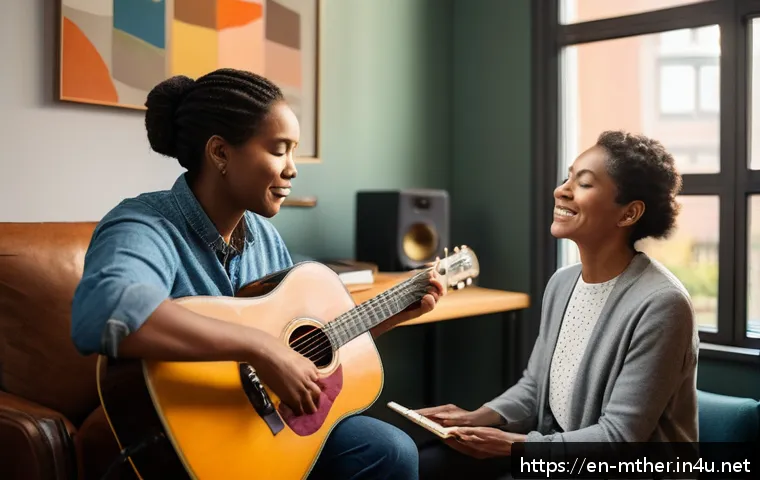
Hey there, fellow explorers of well-being! You know, sometimes life throws us curveballs, and finding our footing again can feel impossible. But what if I told you that something as universal and beautiful as music holds a remarkable power to heal, connect, and even transform lives?
I’ve personally seen it happen, and it truly blows me away every single time. We often think of therapy as just talking, but imagine a world where melodies, rhythms, and harmonies become the language of healing.
It’s not just about enjoying a good tune; it’s a profound, evidence-based practice making waves in healthcare. From helping a child find their voice after trauma to offering solace to those navigating complex neurological challenges, music therapy is truly a game-changer, and it’s evolving faster than ever with new tech and research insights.
I’m excited to share some incredible real-life stories and the latest breakthroughs that show just how much good music therapists are doing every single day.
Trust me, it’s far more impactful than you might imagine. Let’s uncover the amazing work music therapists are doing and how this field is shaping the future of care!
The Universal Harmony: How Music Resonates Deep Within Us

There’s something truly magical about music, isn’t there? I mean, who hasn’t felt a particular song just *get* them, lifting their spirits or comforting them in a quiet moment? It’s not just a pleasant sound; it’s a profound connection that taps into something fundamental within us. I’ve always been fascinated by this, and what I’ve learned about music therapy has only deepened my appreciation for this incredible art form. It’s a structured, intentional approach that harnesses music’s power to meet individual health and well-being goals. This isn’t just about passive listening; it’s about actively engaging with music in ways that can fundamentally shift how we feel, think, and even move. It’s truly inspiring to see how this ancient human practice is now a cutting-edge therapeutic tool, validated by science and transforming lives every single day. We often take for granted how deeply ingrained music is in our daily existence, from the playlists that fuel our workouts to the lullabies that soothe our children, but its therapeutic application is on a whole other level.
More Than Just a Melody: The Brain’s Response
When we listen to music, our brains light up in incredible ways. It’s not just the auditory cortex that’s active; we’re talking about regions involved in emotion, memory, movement, and even decision-making. I remember seeing a diagram of a brain reacting to music, and it looked like a fireworks display! This complex engagement is precisely why music therapy is so effective. It can literally help to rewire neural pathways, a process known as neuroplasticity, which is huge for recovery and development. Think about it: a catchy rhythm can improve motor coordination, a soothing melody can lower cortisol levels and heart rate, and familiar tunes can unlock long-lost memories. It’s a powerful, non-invasive way to stimulate multiple brain functions simultaneously, providing a unique pathway to healing that often bypasses verbal communication. This deep neural engagement is what makes it far more impactful than just putting on some background tunes.
Personal Connections: Why Music Touches Our Lives
I’ve witnessed firsthand how music transcends barriers. It’s not about being a musician; it’s about being human. The personal connection we have with music is what makes it such a potent therapeutic tool. Whether it’s a song from childhood, a piece that reminds us of a loved one, or simply a melody that resonates with our current emotional state, music has an unparalleled ability to tap into our inner world. This personal resonance is central to music therapy, allowing individuals to explore their feelings, express themselves, and connect with others in ways they might not be able to otherwise. It’s about meeting people where they are, using sounds and rhythms to create a safe space for expression and growth. This truly human element is what, I believe, sets music therapy apart and makes it so incredibly effective across diverse populations and challenges.
Finding Solace and Strength: Music Therapy for Mental Wellness
In our fast-paced world, finding effective ways to manage mental health is more crucial than ever. I’ve personally experienced how a particular song can shift my mood instantly, pulling me out of a funk or calming me down when I’m overwhelmed. Music therapy takes this natural inclination and refines it into a targeted, professional intervention. It’s not a magic bullet, but it offers a profound avenue for emotional expression and regulation that traditional talk therapy might not always reach. From tackling everyday stress to navigating complex mental health conditions, the applications are broad and deeply impactful. It’s about creating a safe, non-judgmental space where individuals can explore their inner world through sound, rhythm, and melody, finding new ways to cope and build resilience.
A Soundtrack for Stress and Anxiety Relief
Let’s be real, who among us hasn’t felt the grip of stress or anxiety? I certainly have. What I’ve found, and what music therapy research strongly supports, is that music can be an incredible tool for calming the nervous system. Music therapy has been shown to significantly reduce stress and anxiety levels, often by lowering cortisol, the stress hormone, and promoting relaxation. I’ve seen individuals, myself included, experience a palpable release of tension through listening to calming music or engaging in rhythmic breathing exercises guided by a therapist. It can help regulate heart rate and blood pressure, offering immediate physiological relief from anxiety’s physical symptoms. Beyond immediate relief, music therapy also helps individuals develop healthier coping mechanisms and mindfulness practices, empowering them to manage anxiety in the long term. It’s like having a personalized, therapeutic playlist that helps you navigate life’s stormy moments.
Healing Rhythms: Battling Depression and Trauma
For those grappling with depression and trauma, finding a voice for their pain can be incredibly challenging. This is where music therapy truly shines. The creative and expressive nature of music allows individuals to process and articulate emotions that might be too difficult to put into words. I’ve heard countless stories of people finding solace and a pathway to healing by writing songs, improvising on instruments, or simply listening to music that validates their experience. It can boost mood, increase motivation, and provide a sense of purpose often diminished by depression. Moreover, for trauma survivors, music therapy offers a safe, non-verbal outlet to explore and reprocess traumatic memories, helping to reduce symptoms and foster emotional stability. It’s a journey of rediscovery, where melodies become the language of resilience and healing, gently guiding individuals toward a brighter future. The power of music to resonate with raw emotion is truly unparalleled in this context.
Unlocking Potential: Music’s Role in Neurological and Physical Rehabilitation
It’s absolutely astounding to see how music therapy is revolutionizing rehabilitation, especially for those facing neurological and physical challenges. I used to think of rehab as purely physical exercises, but then I learned about Neurologic Music Therapy (NMT) and it completely blew me away! It’s not just about making recovery more enjoyable; it’s about harnessing music’s direct impact on brain function to literally rebuild connections and restore abilities. This interdisciplinary approach, merging the art of music with neuroscience, offers a beacon of hope and tangible progress for individuals with conditions like stroke, Parkinson’s disease, and traumatic brain injury. Seeing someone regain their speech through singing, or improve their gait by marching to a beat, is incredibly moving and powerful. It demonstrates that music isn’t just a leisure activity; it’s a fundamental tool for healing and growth, directly engaging the brain’s ability to adapt and reorganize.
Reawakening the Brain: Neurologic Music Therapy in Action
Neurologic Music Therapy, or NMT, is a highly specialized form of music therapy that treats cognitive, sensory, and motor dysfunctions due to neurological disease or injury. What makes it so fascinating is its basis in neuroscience research, viewing music as a “hard-wired brain language”. I’ve heard about cases where NMT techniques like Rhythmic Auditory Stimulation (RAS) help patients with gait disorders improve their walking patterns, or Melodic Intonation Therapy (MIT) aids stroke survivors in regaining speech by singing words and phrases. It’s about leveraging neuroplasticity – the brain’s amazing ability to form new neural pathways – to help individuals recover lost functions. The structured, evidence-based interventions of NMT are designed to target specific neurological processes, making it a powerful force in rehabilitation settings. It’s truly a testament to how deeply connected music is to our very essence, even at the fundamental level of brain function.
From Stroke Recovery to Parkinson’s Progress
The impact of music therapy across a spectrum of neurological conditions is truly remarkable. For stroke patients, it can be instrumental in improving motor skills, facilitating language recovery, and enhancing cognitive function. I’ve seen videos of individuals who struggled to speak after a stroke, finding their voice again through singing. Similarly, for people with Parkinson’s disease, music therapy can significantly improve motor symptoms like tremor and bradykinesia, as rhythmic cues help synchronize movements and improve coordination. Beyond motor benefits, it also offers psychological support, reducing anxiety and depression often associated with these conditions. It’s a holistic approach that nurtures both the body and mind, offering a non-invasive, patient-centered path to better quality of life. The joy and focus I’ve observed in patients engaging with music therapy are genuinely inspiring, proving its profound impact on their daily lives.
| Condition/Goal | How Music Therapy Helps | Specific Benefits |
|---|---|---|
| Anxiety/Stress | Regulates nervous system, promotes relaxation | Lower cortisol, reduced heart rate, improved coping skills |
| Depression | Facilitates emotional expression, boosts mood | Increased motivation, reduced feelings of isolation, catharsis |
| Neurological Disorders (e.g., Stroke, Parkinson’s) | Stimulates neuroplasticity, targets specific brain functions | Improved motor skills, speech recovery, enhanced cognitive function |
| Pain Management | Distraction, relaxation, alters pain perception | Reduced need for medication, increased comfort |
| Developmental Disorders (e.g., ASD) | Enhances communication, social interaction | Improved self-expression, emotional recognition, engagement |
Pioneering the Future: Innovations in Music Therapy
It’s an incredibly exciting time for music therapy! Just when you think you’ve seen it all, new technologies and research insights are pushing the boundaries of what’s possible. I’m always on the lookout for the next big thing, and in music therapy, the integration of digital tools and artificial intelligence is nothing short of revolutionary. We’re moving beyond traditional clinical settings, making therapeutic music more accessible and personalized than ever before. This evolution isn’t replacing the human touch of a skilled therapist, but rather augmenting it, opening up new avenues for healing and support. It’s a testament to the field’s adaptability and its commitment to leveraging every available resource to improve patient outcomes, showing that innovation and compassionate care can truly go hand-in-hand.
Beyond the Clinic Walls: Telehealth and Digital Tools
One of the biggest shifts I’ve noticed, especially since the recent global changes, is the massive expansion of telehealth in music therapy. It’s made such a difference for people who might not have access to an in-person therapist due to location, mobility issues, or scheduling conflicts. Digital platforms allow for remote sessions, ensuring that essential support can reach a wider audience. Beyond direct therapy, there’s a growing wave of apps and online resources that offer music-based interventions for wellness, like guided relaxation or focus-enhancing playlists. While these don’t replace a board-certified therapist, they offer fantastic supplementary tools that empower individuals to integrate therapeutic music into their daily routines. It’s about breaking down barriers and making the power of music healing available to more people than ever before, which I think is just fantastic.
AI and VR: Personalizing the Therapeutic Experience
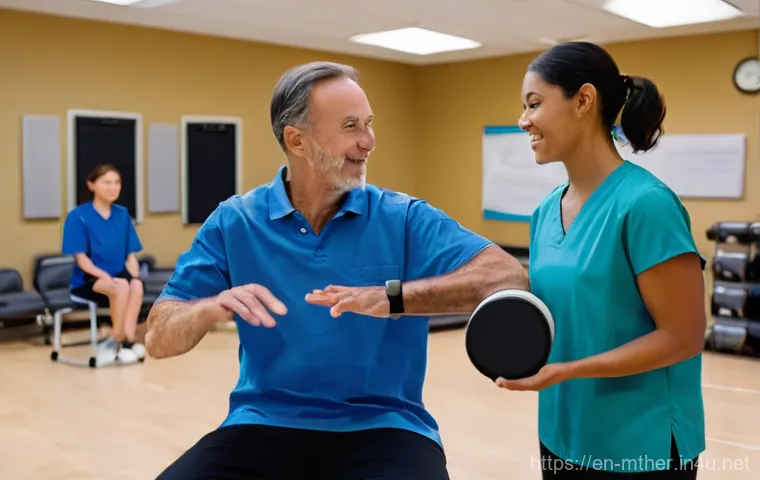
Now, this is where it gets really futuristic and incredibly exciting! The integration of Artificial Intelligence (AI) and Virtual Reality (VR) into music therapy is truly changing the game. Imagine AI-generated music dynamically composed in real-time, precisely tuned to your moment-to-moment neurochemical state, delivered right through your headphones for focus, sleep, or stress relief. This personalized, AI-driven approach can tailor musical attributes to meet individual therapeutic goals with unprecedented precision. VR is also making waves, creating immersive, engaging musical environments for interventions like improvisation, relaxation, or songwriting, potentially reducing anxiety, stress, and pain perception. These technologies aren’t just cool gadgets; they’re powerful tools that are personalizing treatment to an extraordinary degree, making music therapy even more effective and deeply engaging. I genuinely believe we’re just scratching the surface of what’s possible here.
The Economic Symphony: Proving Music Therapy’s Value
While the profound human impact of music therapy is undeniable, it’s also important to talk about its practical, economic value. In healthcare, every intervention needs to demonstrate its worth, and I’m thrilled to share that music therapy isn’t just a “nice-to-have”; it’s a cost-effective solution that can significantly benefit healthcare systems and patients alike. It’s about more than just numbers; it’s about providing high-quality care efficiently, reducing burdens, and ultimately improving lives in a sustainable way. When I first learned about the economic side of it, I was surprised, but then it made perfect sense. Anything that can reduce the need for more expensive interventions or shorten recovery times is a huge win for everyone involved, and music therapy consistently proves its mettle in this regard.
Cost Savings in Healthcare: A Win-Win
One of the most compelling arguments for wider adoption of music therapy lies in its ability to reduce healthcare costs. Studies have shown that patients receiving music therapy often require less pain medication, which translates to significant savings for both individuals and hospitals. I’ve seen data suggesting that music therapy can cut costs in various settings, from hospice care to procedural support in pediatric hospitals. For instance, one study found that using music therapy for pediatric procedures like EEGs could eliminate the need for sedation, leading to substantial cost reductions. Another study in hospice care indicated thousands of dollars in savings per patient. This isn’t just about saving money; it’s about providing comfort and effective care in a more accessible and less invasive way, which truly embodies a win-win situation for patients and healthcare providers.
Expanding Access: Making Healing More Attainable
Beyond direct cost savings, music therapy’s economic value also extends to its ability to improve patient outcomes and caregiver support, which has broader societal benefits. By enhancing mental and physical well-being, music therapy can reduce the length of hospital stays, decrease readmission rates, and allow unpaid caregivers to return to work, boosting economic productivity. For conditions like Alzheimer’s disease, music engagement is far less costly than pharmacological treatments and can significantly improve health and well-being, leading to decreased expenditures on medication and healthcare services. I think this aspect is incredibly important – it’s about making effective healing more attainable for everyone, not just those with extensive resources. The growing recognition of music therapy’s economic advantages, coupled with its proven therapeutic benefits, paves the way for greater integration into mainstream healthcare, ultimately benefiting more communities.
Becoming a Conductor of Healing: The Path to Music Therapy
Have you ever considered turning your love for music into a powerful force for good? I often meet people who are deeply passionate about music and want to help others, and I always tell them about the incredible career path of a music therapist. It’s a specialized field that demands a unique blend of musical talent, clinical knowledge, and profound empathy. It’s far more than just playing an instrument; it’s about understanding human behavior, psychology, and neuroscience to facilitate healing and growth through the universal language of music. Seeing the transformation in a client, knowing that your musical intervention helped them find their voice or regain a lost ability, is one of the most rewarding feelings imaginable. It’s a challenging but deeply fulfilling journey that shapes not just lives, but entire communities.
The Dedication Behind the Degree
Becoming a board-certified music therapist (MT-BC) is a rigorous but incredibly rewarding journey that requires significant dedication. It typically involves completing at least a bachelor’s or master’s degree in music therapy from an approved institution. The curriculum is surprisingly comprehensive, blending intensive music training with courses in psychology, anatomy, physiology, and clinical foundations. You’ll learn to play various instruments – guitar, piano, percussion, ukulele – and gain extensive clinical training through practicums and supervised internships, accumulating hundreds of hours of hands-on experience. After completing your education, you’ll need to pass a board certification exam to earn your MT-BC credential. It’s a path that truly develops you as both a clinician and a musician, equipping you with the skills to make a real difference in people’s lives. I can tell you, the journey is tough, but the impact you can make is immeasurable.
Choosing Your Niche: Diverse Settings and Specializations
One of the most exciting aspects of being a music therapist is the sheer diversity of settings and populations you can work with. It’s not a one-size-fits-all career; you can truly find your niche and passion! Music therapists work in hospitals, rehabilitation centers, schools, mental health institutions, hospices, and even private practices. You might find yourself helping children with developmental disabilities, supporting adults with neurological disorders, aiding veterans with trauma, or providing comfort to seniors with dementia. There are opportunities for active music-making, receptive listening, songwriting, improvisation, and movement, all tailored to individual client needs. The field is constantly evolving, with new specializations emerging, offering endless opportunities for growth and continuous learning. It’s a career where your unique musical voice can be the catalyst for profound healing and positive change in so many different ways.
Closing Thoughts
Well, friends, as we wrap up our journey through the incredible world of music therapy, I hope you’re feeling as inspired and amazed as I always am by its profound impact. It’s truly a testament to the universal language of music and its inherent power to heal, connect, and transform lives. From helping us navigate daily stresses to aiding in complex neurological recovery, music isn’t just background noise; it’s a vital, evidence-based tool for wellness. I’ve personally seen and felt how a well-chosen melody or an engaging rhythm can shift perspectives, soothe anxieties, and unlock pathways to healing that words alone sometimes can’t. So, let’s embrace this beautiful synergy of art and science, and remember that the next time you put on your favorite tunes, you might just be tapping into a powerful source of well-being.
Good-to-Know Information
1. Craft Your Personal Soundtrack for Life: Don’t underestimate the power of a well-curated playlist! I’ve found that having different playlists for different moods and activities is a game-changer. Imagine a “Focus Zone” playlist with instrumental ambient tracks for work, a “Chill Out” list for unwinding after a long day, or an “Energy Boost” selection for your morning routine. This isn’t just about passive listening; it’s about actively shaping your emotional environment. When you’re intentional about the music you choose, you can literally conduct your mood and enhance your daily experiences, making tasks feel easier and relaxation more profound.
2. Mindful Listening: The Art of Deep Engagement: In our busy lives, music often becomes background noise. But what if you truly *listened*? I mean, really paid attention to the lyrics, the instruments, the subtle shifts in melody and rhythm. Try setting aside even just 10-15 minutes a day for mindful listening. Turn off distractions, put on some headphones, and immerse yourself in a piece of music. You might be surprised at the emotional depth and insights you gain. It’s a fantastic way to practice self-awareness, connect with your inner feelings, and experience music not just as entertainment, but as a genuine therapeutic presence in your life.
3. Harness Movement: Dance, Hum, or Tap Your Way to Wellness: Music isn’t just for your ears; it’s for your whole body! I’ve noticed how instinctively I tap my foot or sway to a good beat, and that movement is therapeutic in itself. Don’t be shy about dancing, humming, or even just patting a rhythm on your thigh. These simple, rhythmic actions can help ground you, reduce tension, and bring you into the present moment. It’s a fantastic, low-stakes way to release pent-up energy, manage stress, and inject a little joy into your day, no matter where you are. Plus, it’s a wonderful, non-verbal way to express yourself and connect with the music on a deeper physical level.
4. Explore the Nature-Music Connection: This is one of my favorite recent discoveries! There’s growing research showing that combining music with nature can significantly amplify well-being. Think about it: a calming melody while you’re on a walk in the park, or listening to uplifting tunes while gardening. The multi-sensory engagement of sight, sound, and touch can be incredibly grounding, reduce stress, and improve mood. I’ve personally found that my outdoor workouts feel even better with the right soundtrack, and a quiet moment in nature with reflective music can be profoundly peaceful. It’s an accessible and low-cost way to boost both your physical and mental health.
5. Consider Professional Guidance if Needed: While incorporating music into your daily routine offers immense benefits, remember that formal music therapy is a clinical practice led by a board-certified professional. If you or a loved one are facing significant mental health challenges, neurological conditions, or chronic pain, seeking a qualified music therapist can provide structured, evidence-based interventions tailored to specific goals. They have the expertise to use music in ways that can address complex needs, facilitate deep emotional processing, and support recovery far beyond what casual listening can achieve. It’s a powerful and often life-changing intervention.
Key Takeaways
Music therapy is undeniably a powerful, evidence-based discipline that offers a rich tapestry of benefits across mental, physical, and neurological health. We’ve explored how it deeply engages the brain, fostering neuroplasticity and providing unique pathways for emotional expression and regulation. From alleviating anxiety and depression to aiding in stroke recovery and pain management, its versatility is truly remarkable. Looking ahead, innovations like telehealth, AI, and VR are making therapeutic music more accessible and personalized, while its proven cost-effectiveness further solidifies its value in modern healthcare. Whether through dedicated therapeutic sessions or by thoughtfully integrating music into your daily life, the harmony it brings to our well-being is a melody worth embracing.
Frequently Asked Questions (FAQ) 📖
Q: So, what exactly is music therapy? Is it just, like, putting on some calming music and hoping for the best?
A: Oh, I totally get why you might think that! We all use music to unwind, right? But music therapy is so much more profound than just hitting play on a relaxing playlist.
Imagine it as a finely tuned, clinical art and science. It’s an evidence-based practice where a credentialed music therapist uses specific music interventions—like listening, singing, playing instruments, or even composing—to help individuals achieve personalized therapeutic goals.
It’s not about becoming a musical genius; it’s about how music can help you physically, emotionally, cognitively, and socially. For instance, I’ve seen firsthand how someone struggling with speech after a stroke can regain some vocal control by singing simple melodies.
It’s incredibly intentional, goal-oriented, and tailored specifically to your needs by a professional who knows exactly how to harness music’s amazing power.
Q: That sounds incredible! But who actually benefits from music therapy? Is it just for specific conditions, or could anyone find solace in it?
A: That’s a fantastic question, and honestly, the beauty of music therapy is its incredible versatility! While it’s definitely a game-changer for specific conditions, it’s far from exclusive.
From what I’ve witnessed, and what the latest research shows, it helps a remarkably wide range of people. We’re talking about children navigating emotional challenges, individuals recovering from a brain injury or stroke, those managing chronic pain, people dealing with anxiety or depression, and even seniors facing cognitive decline.
Think about it: a child who’s experienced trauma might struggle to express themselves verbally, but through drumming or singing, they can find a safe outlet.
Or an adult with Parkinson’s might use rhythmic exercises to improve their gait and motor skills. My personal take? Anyone looking for a unique, non-invasive path to better well-being, emotional regulation, or even physical rehabilitation could genuinely benefit.
It’s about meeting you where you are and using music to unlock potential you might not even realize you have.
Q: You mentioned the field is evolving quickly. What are some of the latest breakthroughs or new ways music therapy is being used today?
A: Oh, this is where it gets really exciting! The field of music therapy is absolutely buzzing with innovation, pushing boundaries thanks to incredible research and technological advancements.
One of the biggest shifts I’m seeing is the integration of digital tools and virtual reality. Imagine using VR to create an immersive, calming musical environment for someone experiencing severe anxiety, or AI-powered programs that can analyze a person’s physiological responses to music and tailor interventions in real-time.
We’re also seeing a deeper understanding of how music impacts the brain, with neuroimaging studies revealing the precise neural pathways activated during music engagement, leading to more targeted and effective interventions for neurological conditions.
It’s not just about traditional instruments anymore; therapists are exploring adaptive technologies, personalized digital compositions, and even biofeedback systems linked to musical elements.
It’s truly a dynamic time, and I believe we’re just scratching the surface of how music can transform healthcare and enhance our lives.