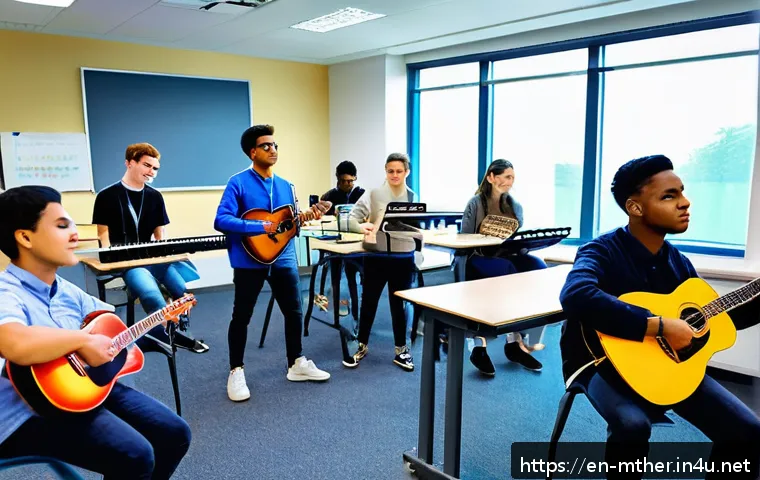
Ever wonder if there’s a career out there that perfectly blends your love for music with a deep desire to help others? I’ve personally been fascinated by how music impacts our mood and well-being, and it turns out, there’s a whole profession dedicated to just that!
Music therapists are incredible professionals who use the power of sound to connect with individuals, helping them navigate a wide array of emotional, physical, and cognitive challenges.
It’s truly inspiring to see how a melody or rhythm can unlock potential and bring comfort. If you’re curious about a role where every day brings unique interactions and profound moments, then you’re in the right place.
Let’s delve deeper and uncover exactly what a music therapist does!
Music therapy, for me, isn’t just a job; it’s a calling, a profound way to connect with the human spirit when words often fall short. There’s something truly magical about witnessing a person, perhaps struggling with profound physical or emotional challenges, light up at a familiar melody or find their voice through a rhythm.
It’s a career that’s deeply rooted in both science and art, offering a unique path to healing and personal growth for so many. The beauty of it lies in its adaptability, meeting individuals exactly where they are on their journey.
I’ve seen it work wonders, and honestly, it keeps me inspired every single day.
Finding the Right Notes: The Heart of a Music Therapist’s Work

You might imagine a music therapist simply playing songs for people, but believe me, it’s so much more intricate and deeply personalized than that. It’s about tailoring every single musical experience to meet specific, clinical goals. When I walk into a session, whether it’s with a child who struggles with communication, an adult recovering from a stroke, or someone navigating the complexities of mental health, my mind is already buzzing with how music can be their bridge. I think about their preferences, their current mood, and what we want to achieve together. It’s like being a musical detective, always observing, adapting, and innovating in real-time. We don’t just put on a playlist; we actively engage. This could mean improvising together, where the music becomes a spontaneous dialogue of emotions, or composing a song that helps someone articulate feelings they couldn’t otherwise express.
Crafting Soundscapes for Healing
In practice, this means my days are incredibly varied. One morning, I might be helping a patient in a rehabilitation center use rhythmic drumming to improve their motor skills and coordination after an injury, focusing on the beat to synchronize their movements. I remember working with a young man named Jimmy, who, after a femur fracture, found his motivation to walk again by stepping in rhythm to Justin Timberlake’s “Can’t Stop the Feeling” with his physical therapist. That spark, that connection between music and physical movement, was absolutely vital for his recovery. The next hour could see me in a mental health facility, guiding a group through lyric analysis, where we delve into song meanings to process complex emotions and build coping skills. It’s not about finding the “right” answer, but about creating a safe space for expression. I’ve seen how a simple discussion about a song’s lyrics can unlock profound insights and foster a sense of shared understanding among individuals who felt incredibly isolated. It’s truly incredible to witness.
More Than Just Entertainment: The Therapeutic Relationship
What truly distinguishes music therapy from simply listening to music is the therapeutic relationship itself. It’s built on trust, empathy, and a deep understanding of how music impacts the brain and body. As a therapist, I’m not just a musician; I’m a trained clinician who assesses, plans, and evaluates progress. I’m constantly learning about my clients’ unique histories, their responses to different musical elements, and how we can use those insights to help them achieve their goals. For instance, I recall a time working with an elderly client with advanced Alzheimer’s who rarely spoke. During a session, when I started playing “You Are My Sunshine,” her eyes brightened, and she sang along with clear words, perfect pitch, and emotional expression – something her family hadn’t witnessed in years. Moments like these reinforce the profound connection between music and memory, and the incredible privilege it is to facilitate such breakthroughs.
The Science and Soul: Why Music Moves Us to Heal
It’s not just a feeling; there’s real science behind why music therapy is so effective. Our brains are incredibly receptive to music, activating multiple regions simultaneously – those responsible for memory, emotions, and even motor skills. This is why you see music therapy being used for such a wide array of conditions, from neurological disorders like stroke and Parkinson’s disease to managing chronic pain and anxiety. Music can actually stimulate neuroplasticity, helping the brain to reorganize and form new connections, which is incredible for rehabilitation. I’ve personally seen patients with traumatic brain injuries use rhythm to regain speech or improve their gait. It’s like music unlocks pathways that other therapies might struggle to reach. It’s this deep physiological and psychological impact that makes our work so potent, and honestly, a bit awe-inspiring.
The Brain’s Symphony: Dopamine, Endorphins, and Beyond
When we engage with music, whether actively creating it or receptively listening, our brains release a cocktail of neurochemicals. Dopamine, often called the “feel-good” hormone, contributes to mood uplift and motivation, while endorphins can act as natural pain relievers. I’ve observed this firsthand when working with patients experiencing chronic pain; sometimes, engaging in music can significantly reduce their perception of discomfort, allowing them to relax in ways medication alone might not achieve. It’s not a cure, but it’s a powerful tool in their arsenal. Beyond that, music can help regulate stress hormones like cortisol, reducing overall anxiety and promoting a sense of calm. This is particularly vital in high-stress environments like hospitals or during challenging therapeutic processes. It’s truly fascinating how a few carefully chosen notes can profoundly shift a person’s internal landscape.
Unlocking Communication and Emotional Expression
For individuals who struggle with verbal communication, music provides an alternative, powerful language. I’ve worked with many non-verbal children with autism where improvisational music-making became their primary means of interaction. Through shared rhythms and melodies, they could express joy, frustration, or connection in ways that words simply couldn’t convey. It’s about meeting them where they are and giving them a voice, even if it’s not a spoken one. Similarly, for adults processing trauma, songwriting can offer a safe, structured outlet to externalize painful experiences, giving form to emotions that might otherwise feel overwhelming. I remember a client who, after years of silence about a traumatic event, wrote a powerful song that not only helped him process his feelings but also opened the door to deeper therapeutic conversations. It was a testament to music’s unique ability to facilitate healing and expression.
Where the Melodies Resonate: Diverse Settings for Music Therapy
One of the things I love most about music therapy is how widely applicable it is. You might think of it being confined to a sterile hospital room, but that couldn’t be further from the truth. Our work takes us to such a variety of places, each with its own unique challenges and incredible rewards. From bustling general hospitals and intensive care units to peaceful hospice settings, vibrant schools, and focused mental health clinics, music therapists are woven into the fabric of care teams. We often collaborate closely with doctors, nurses, physical therapists, and psychologists, ensuring a holistic approach to patient well-being. It’s incredibly rewarding to be part of a team, bringing a creative and often profoundly impactful element to treatment plans that might otherwise solely rely on more traditional methods. Every setting offers a fresh perspective and a new opportunity to witness the power of sound in action.
From Hospitals to Schools: Tailoring the Intervention
In medical settings, my role might involve using music to manage pain and anxiety during procedures, or to facilitate rehabilitation for patients recovering from injuries or illnesses. I’ve seen music used effectively to help pre-operative patients relax, or even post-surgery to reduce the need for pain medication. In schools, particularly with children with special needs, music therapy can be a game-changer for developing communication, social skills, and cognitive abilities. It provides an engaging and motivating environment for learning that traditional classroom methods might not always capture. For instance, I worked with a child who struggled with memorizing his address; we put it to a simple song, and within weeks, he knew it cold, something that had taken years to achieve without music. These personalized approaches make all the difference.
Beyond the Clinical: Community and Private Practice
It’s not just about formal institutions either. Many music therapists, myself included, also work in private practice, offering flexible and specialized care in office settings or even clients’ homes. This allows for a deeper level of personalization and often long-term relationships with clients. I’ve found this particularly fulfilling for clients seeking ongoing support for mental health, wellness, or personal growth. Additionally, music therapists are increasingly involved in community health centers and even correctional facilities, bringing the healing power of music to underserved populations. The adaptability of music means that wherever there are people in need of support for emotional, physical, cognitive, or social challenges, there’s a place for a music therapist to make a difference. It’s truly a profession that keeps expanding its reach, and I’m excited to see where it goes next.
Stepping into the Rhythm: What It Takes to Be a Music Therapist
Becoming a music therapist isn’t something you just wake up and decide to do; it’s a dedicated journey that requires a unique blend of musical talent, scientific understanding, and a whole lot of heart. It definitely takes a certain kind of person – someone who’s not only passionate about music but also deeply empathetic, patient, and committed to helping others. When I decided to pursue this path, I knew it would be challenging, but the potential to make such a profound difference in people’s lives was an irresistible draw. It’s a field that constantly asks you to grow, learn, and adapt, which I find incredibly stimulating and rewarding.
The Educational Harmony: Degrees and Certifications
In the United States, the typical path involves earning a bachelor’s or master’s degree in music therapy from an AMTA-approved program. My own program was incredibly comprehensive, delving into music theory, performance, psychology, anatomy, and specific music therapy techniques. It’s not enough to be a great musician; you also need a strong understanding of human behavior, development, and clinical methodologies. Beyond the classroom, a significant portion of the training involves a supervised clinical internship, usually around 1200 hours, working directly with diverse populations in various settings. This hands-on experience is absolutely invaluable – it’s where you truly learn to apply theory in real-world situations, navigating the complexities of human interaction and therapeutic interventions. After completing your degree and internship, you sit for the national board certification exam to earn the MT-BC (Music Therapist – Board Certified) credential, which is essential for professional practice.
Essential Skills Beyond the Score
While musical proficiency on instruments like guitar, piano, and percussion is certainly important, what truly makes an excellent music therapist goes beyond technical skill. You need to be an exceptional listener, not just to the music, but to your clients – understanding what they’re communicating both verbally and non-verbally. Empathy is absolutely crucial; you need to be able to connect with people from all walks of life, often at their most vulnerable. Problem-solving skills are constantly put to the test, as you adapt interventions on the fly to meet immediate client needs. I remember a session where a planned activity wasn’t resonating with a group, and I had to quickly pivot, improvising a new musical game that instantly sparked their engagement. It’s also a profession that demands integrity, self-control, and a deep concern for others. There are days that are emotionally intense, and you need to be able to practice self-care to avoid burnout, which is something we talk about a lot within the profession. It’s a challenging but incredibly fulfilling career, asking you to bring your whole self to the work every single day.
A Day in My Life: Rhythms of a Music Therapist
People often ask me what a “typical day” looks like as a music therapist, and I always have to smile because there really isn’t one! That’s one of the things I love most about it. My schedule can vary wildly depending on whether I’m working in a hospital, a school, or my private practice. However, there are definitely certain rhythms to my week that keep me grounded and focused on my clients. Every day starts with some preparation, often including vocal warm-ups during my commute – my voice is an instrument too, after all! I also take time to mentally review my client list, thinking about their individual goals and what musical interventions might be most effective for our upcoming sessions. It’s a constant process of planning, adapting, and staying present, which can be quite a dance!
Morning Melodies and Afternoon Harmonies
A morning might see me facilitating a group session at a local rehabilitation center. I could be leading a drumming circle to improve motor skills and social interaction, or guiding a songwriting exercise to help individuals express their feelings about their recovery journey. It’s a dynamic environment, and I’m constantly adjusting to the energy and needs of the group. Afternoons might shift to individual sessions, perhaps with a child in a school setting, using music to address communication delays or build self-confidence. I’ve found that for some children, the act of making music together can create a bond and open up avenues for interaction that are otherwise difficult. Later, I might spend time on administrative tasks, which are an undeniable part of any job, but even here, the focus is on the clients – documenting progress, planning future sessions, and collaborating with other healthcare professionals. It’s a delicate balance of direct client work and essential behind-the-scenes effort.
Beyond the Session: Reflection and Growth
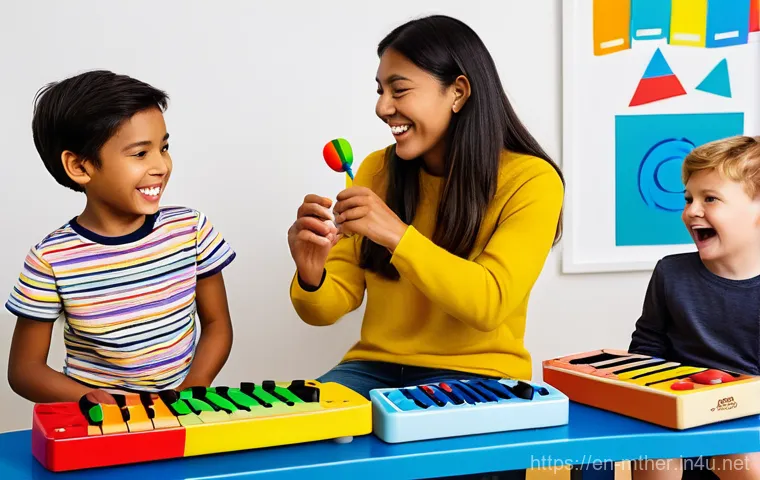
Even outside of direct sessions, my work as a music therapist continues. I dedicate time to practicing new songs, exploring different musical styles, and brainstorming innovative intervention ideas to keep my approach fresh and engaging. This ongoing professional development is crucial for staying effective and ensuring I can meet the diverse needs of my clients. I also participate in regular supervision with other therapists, which is an invaluable opportunity to discuss challenging cases, gain new perspectives, and support one another. It’s a field that can be emotionally demanding, so having that community and space for reflection is incredibly important for my own well-being and continued growth. It truly emphasizes that while the music is central, the human connection – both with clients and colleagues – is what truly sustains me in this profession.
The Future is Composed: Evolving Horizons in Music Therapy
It’s an exciting time to be a music therapist! The field is constantly evolving, growing, and gaining even wider recognition for its incredible efficacy. What started as informal observations of music’s healing power has blossomed into a respected, evidence-based healthcare discipline. I’ve seen firsthand how research continues to validate our methods, showing how music impacts everything from neurological pathways to emotional regulation. This growing body of evidence is crucial for expanding access to music therapy and integrating it more deeply into mainstream healthcare. It really feels like we’re on the cusp of even greater breakthroughs, and that’s something truly inspiring to be a part of.
Advancements in Research and Technology
New research is constantly emerging, deepening our understanding of how music interacts with the brain. We’re seeing more studies with larger sample sizes and investigations into the long-term effects of music therapy, which only strengthens our professional standing. This scientific rigor is vital for securing funding and ensuring that more people can benefit from our services. Beyond research, technology is also playing an increasingly significant role. We’re exploring how digital tools, apps, and even virtual reality could enhance music therapy interventions, making them more accessible and personalized. Imagine using VR to create immersive musical landscapes for anxiety reduction, or developing interactive apps for cognitive rehabilitation. The possibilities are truly endless, and it’s exciting to think about how these advancements will shape the future of our practice.
Expanding Populations and Interdisciplinary Collaboration
As our understanding grows, so too does the range of populations that music therapy serves. We’re seeing increased demand in areas like palliative care, substance abuse treatment, and even corporate wellness programs, where music can offer unique benefits for stress reduction and team building. The emphasis on interdisciplinary collaboration is also becoming stronger, with music therapists working even more closely with other healthcare professionals to provide comprehensive care. This holistic approach ensures that the “whole person” is being treated, integrating emotional, physical, cognitive, and social needs. I firmly believe that as awareness continues to spread, music therapy will become an even more integral part of healthcare, offering a vital and deeply human approach to healing in an increasingly complex world. The future truly sounds bright, and I’m honored to contribute to its evolving symphony.
The Value Proposition: Making a Living with a Musical Heart
Let’s be real, while passion and purpose are incredibly important, being able to earn a sustainable living is a vital part of any career, and music therapy is no exception. It’s a common question I get: “Can you actually make a good living doing that?” And the answer is, yes, absolutely. While salaries can vary based on location, experience, and the type of facility you work in, it’s a growing field with solid prospects. Seeing the profound impact I have on my clients is a reward in itself, but being able to support myself and my family while doing what I love is incredibly empowering. It allows me to fully dedicate my energy to this vital work without constant financial worry.
Understanding the Earning Potential
The average salary for a music therapist in the United States generally falls within a decent range, and it tends to increase significantly with experience and advanced degrees. For instance, recent data suggests the average annual salary is around $50,000 to $60,000, but experienced therapists, especially those with specialized training or in certain regions like California, can earn upwards of $70,000 to $90,000 or more. It’s also worth noting that the job outlook for recreational therapists, which includes music therapists, is projected to grow, indicating increasing demand for these specialized services. This growth is really encouraging for anyone considering this path, showing that the value of our work is increasingly recognized. Of course, like any profession, continuous professional development and building a strong network can also open doors to higher-paying opportunities, leadership roles, or even developing a thriving private practice.
Building a Sustainable Career and Financial Well-being
For me, building a sustainable career has meant focusing on a few key areas. First, continually enhancing my skills and staying current with the latest research and techniques ensures I provide the best possible care. This commitment to excellence translates into better client outcomes and strengthens my professional reputation. Second, networking with other healthcare professionals is invaluable. Referrals often come from doctors, psychologists, and social workers who see the positive impact of music therapy firsthand. Third, for those of us in private practice, understanding the business side – from marketing to billing and insurance navigation – is crucial. While it might not be the most “glamorous” part of the job, it’s essential for creating a stable and profitable practice. Finally, I’ve always kept an eye on how to optimize the “AdSense” aspect of my blog – creating engaging content like this post, ensuring a good user experience, and naturally integrating keywords to draw in more readers. It’s all about providing value, both in my clinical work and through my online presence, to create a truly rewarding and sustainable career.
Beyond the Notes: Personal Fulfillment and Impact
Honestly, the most profound aspect of being a music therapist isn’t found in a textbook or a salary report; it’s in those raw, unfiltered moments of human connection and witnessing genuine transformation. There are days when the work is incredibly challenging, emotionally draining even. I’ve faced situations where progress is slow, or where the sheer weight of a client’s struggles feels heavy. Yet, every single time, those moments of breakthrough, those sparks of hope ignited by a shared melody, make every challenge worth it. It’s a career that constantly reminds me of the resilience of the human spirit and the extraordinary power of music to heal, connect, and uplift.
Moments That Resonate Deeply
I can recall countless instances that have stuck with me. The shy teenager who, after weeks of quiet listening, finally picked up a guitar and improvised a blues riff that perfectly expressed his unspoken anger. Or the elderly woman with dementia who hadn’t smiled in months, suddenly laughing and tapping her foot when I played a swing tune from her youth. These aren’t just small victories; they are profound shifts, moments where music cuts through illness, fear, or isolation and touches something deeply human. I’ve had families tell me that music therapy provided their loved one with a dignity and peace in their final days that nothing else could. Knowing that my passion can facilitate such meaningful experiences is an incredible privilege and a constant source of personal fulfillment.
The Ripple Effect of Harmony
What I’ve come to realize is that the impact of music therapy extends far beyond the individual client. When a child learns to communicate through song, it changes their relationship with their family. When an adult finds a new way to cope with anxiety through guided imagery and music, it ripples out into their daily life, affecting their work and relationships. It’s about empowering individuals to tap into their own inner resources, using music as the catalyst. This ripple effect is one of the most beautiful and unexpected rewards of this profession. It’s not just about what happens during a 30-minute session; it’s about fostering lasting change and enhancing overall quality of life. Every day, I’m reminded that I’m not just playing music; I’m helping to compose a more hopeful and harmonious future, one note, one rhythm, one person at a time.
| Key Benefits of Music Therapy | Client Populations Served | Common Interventions Used |
|---|---|---|
| Reduces anxiety and stress, improves mood, enhances emotional expression. | Mental Health conditions (depression, anxiety, PTSD), Substance Use Disorders. | Lyric analysis, songwriting, guided relaxation with music, improvisation. |
| Alleviates pain, improves motor skills, enhances physical rehabilitation. | Neurological disorders (stroke, Parkinson’s, TBI), Chronic pain, Physical disabilities. | Rhythmic auditory stimulation, therapeutic instrument playing, movement to music. |
| Boosts memory, attention, problem-solving skills, cognitive stimulation. | Dementia, Alzheimer’s disease, Developmental disabilities, Learning disabilities. | Song recall, musical games, structured listening, improvisation. |
| Strengthens communication, builds social skills, fosters self-confidence. | Autism Spectrum Disorder, Children with special needs, Individuals with communication impairments. | Instrumental improvisation, group singing, musical storytelling, social music-making. |
Wrapping Up Our Melody
As we come to the close of our deep dive into the world of music therapy, I hope you’ve felt the same passion and purpose that drives me every single day. It’s a field where the ancient art of music meets modern science, creating truly profound pathways to healing and human connection. Witnessing these transformations firsthand isn’t just a job; it’s a privilege that continually reminds me of the incredible resilience of the human spirit. The harmonies we create together, whether through a simple song or a complex improvisation, truly resonate far beyond the session, leaving a lasting impact on lives.
Useful Information to Know
1. If you’re considering music therapy for yourself or a loved one, always look for a board-certified music therapist (MT-BC) to ensure you’re receiving care from a qualified professional. You can often find directories through national music therapy associations.
2. Music therapy isn’t just for mental health; it’s incredibly effective across a vast spectrum of needs, from physical rehabilitation and pain management to cognitive stimulation and social skill development in diverse populations.
3. While musical talent is certainly a component, successful music therapists are also highly empathetic, excellent listeners, and trained clinicians who understand psychology, anatomy, and therapeutic techniques.
4. The benefits of music therapy are backed by a growing body of scientific research, demonstrating its impact on neurochemistry, brain plasticity, and overall well-being, moving it far beyond anecdotal evidence.
5. Don’t underestimate the power of everyday music in your own life! While not a substitute for clinical therapy, actively engaging with music you love can significantly boost your mood, reduce stress, and even improve focus.
Key Takeaways
Music therapy is a dynamic, evidence-based healthcare profession that leverages the unique power of music to address a wide range of physical, emotional, cognitive, and social needs. It demands a specialized blend of musical expertise and clinical knowledge, offering deeply personalized interventions that foster healing and growth. With ongoing advancements in research and technology, the field is continuously expanding its reach and impact, promising an even brighter future for those seeking innovative paths to well-being.
Frequently Asked Questions (FAQ) 📖
Q: What exactly does a music therapist do, beyond just playing music?
A: Oh, that’s a fantastic question and one I hear all the time! It’s easy to picture a music therapist simply strumming a guitar and singing, but trust me, it’s so much more intentional and deeply personal than that.
From what I’ve observed and learned, a music therapist uses music in really specific, goal-directed ways to help people tackle non-musical challenges.
It’s not about teaching you to play an instrument or sing perfectly; it’s about using music as a powerful tool within a therapeutic relationship to achieve personal growth.
For example, a therapist might help someone recovering from a stroke regain speech by singing simple phrases, or use drumming to improve motor skills and coordination.
I’ve even heard of them using songwriting to help individuals process difficult emotions or create a legacy. They assess your needs, delve into your musical preferences – because everyone has ‘their’ music, right?
– and then craft sessions that can involve everything from actively creating music, like improvising or composing, to guided listening and discussing lyrics.
It’s about meeting you where you are and using the universal language of music to help unlock potential, whether that’s improving communication, reducing anxiety, or even managing pain.
It’s truly incredible to witness how a well-chosen rhythm or melody can spark a breakthrough!
Q: Who typically benefits most from music therapy, and what challenges can it address?
A: You know, it’s pretty amazing how widely applicable music therapy is! It genuinely spans across all ages and a huge spectrum of conditions. I’ve personally seen and heard countless stories about its effectiveness.
Think about it, from children facing developmental hurdles to older adults grappling with Alzheimer’s, or even individuals dealing with mental health struggles like anxiety and depression – music therapy offers a unique pathway for healing and growth.
It’s not a one-size-fits-all, but its adaptability is its strength. For instance, in children with autism, it can be a game-changer for communication and social interaction, like that incredible story about a nine-year-old girl with autism who learned to express full thoughts through song.
For someone recovering from a brain injury, rhythmic exercises might help improve physical coordination or speech. And for those living with chronic pain or in palliative care, it can offer profound comfort and a means to explore emotions that words just can’t touch.
It’s all about providing a safe, engaging space where music acts as the bridge to address emotional, physical, cognitive, and social needs, improving overall quality of life.
Q: How does someone actually become a qualified music therapist?
A: If you’re feeling that pull towards music therapy, becoming qualified is a serious but incredibly rewarding journey! From what I understand, it’s not something you just pick up; it requires rigorous training and certification.
Aspiring music therapists typically need to earn a Bachelor’s or Master’s degree in Music Therapy from a program approved by an organization like the American Music Therapy Association (AMTA).
These programs aren’t just about mastering an instrument; they dive deep into music theory, psychology, and specific music therapy techniques, alongside clinical foundations.
After completing the academic coursework, there’s a crucial clinical internship, often around 1,200 hours, where you get hands-on experience under the watchful eye of a board-certified professional.
Once that’s done, you’re eligible to sit for the board certification exam, which, if you pass, earns you the “Music Therapist-Board Certified” (MT-BC) credential.
Many states are also moving towards requiring state licensure, so staying current with those regulations is super important. It’s a comprehensive path, but it ensures that every certified music therapist is truly equipped to provide expert, ethical, and effective care.