
Have you ever dreamed of a career where your deepest passions don’t just pay the bills, but genuinely change lives? It sounds almost too good to be true, doesn’t it?
Yet, I’ve always been captivated by the profound impact music has on our souls, and I’ve personally witnessed how it can mend what words often can’t. Music therapy isn’t just about playing tunes; it’s a powerful, evidence-based discipline that offers deep healing, connection, and a unique pathway to wellness.
In today’s fast-paced world, where we’re all seeking more meaningful connections and personalized care, and even cutting-edge tech like AI is starting to explore new therapeutic avenues, the demand for skilled and compassionate music therapists is absolutely booming.
It’s a field that’s continually evolving, offering exciting new frontiers for dedicated professionals ready to make a real difference. Many aspiring individuals wonder how to navigate this incredibly rewarding but specialized path.
That’s precisely why I’m so excited to share an incredible success story today – someone who didn’t just *dream* of this career, but thoughtfully built a thriving practice from the ground up, turning their love for music into a powerful purpose.
If you’re ready to uncover the practical steps and inspiring insights that can help you achieve your own music therapy aspirations, you’re in for a treat.
Let’s dive into the details and discover exactly how you can turn your musical passion into a powerful purpose!
Unlocking Your Potential: The Educational Journey to Becoming a Music Therapist

Stepping into the world of music therapy often feels like embarking on a grand adventure, doesn’t it? It certainly did for me. My personal journey began with a profound love for music, but transforming that passion into a professional calling required more than just good intentions – it demanded a solid educational foundation. I remember feeling a mix of excitement and a little bit of overwhelm when I first started researching the pathways. It’s not just about playing an instrument; it’s about deeply understanding human psychology, physiology, and how music profoundly influences both. You’ll dive into subjects like psychology, anatomy, clinical foundations, and of course, advanced music theory and performance. The goal isn’t just to learn; it’s to internalize these concepts so you can skillfully apply them in incredibly sensitive and impactful ways. This rigorous training ensures that you’re not just a musician, but a highly competent and ethical healthcare professional, ready to meet clients where they are and guide them through their healing journey. Finding the right program is critical, one that offers a rich curriculum, experienced faculty, and strong practical components.
Choosing the Right Program: Degrees and Accreditation
When you’re looking at programs, the first thing to grasp is that formal education and certification are absolutely non-negotiable. This isn’t a field where you can just self-teach and start practicing. Most credentialed music therapists in the United States, for instance, hold a bachelor’s or master’s degree in music therapy from a program approved by the American Music Therapy Association (AMTA). In the UK, you’d be looking for programs approved by the Health and Care Professions Council (HCPC). I vividly recall sifting through countless university websites, comparing curricula, and attending virtual open days. It’s a process that truly helps you envision your future. A bachelor’s degree typically covers the foundational theory and clinical skills, culminating in an internship. If you already have a music degree in another area, a master’s equivalency program or a master’s degree in music therapy might be your path. These programs are designed to provide the in-depth knowledge and hands-on experience necessary to become a board-certified professional. Think of it as your passport to legitimate practice; it ensures you meet the professional standards that protect both you and your future clients.
Essential Skills Beyond the Score: Clinical Competencies
Beyond the academic coursework and musical prowess, becoming an effective music therapist requires a unique blend of clinical competencies that truly set you apart. It’s not just about being a talented musician; it’s about being an exceptional listener, an empathetic guide, and a skilled facilitator of healing. I quickly learned that my ability to improvise, adapt, and connect with individuals on a non-verbal level was just as important as my understanding of harmony and rhythm. You’ll develop skills in clinical assessment, treatment planning, and evaluating progress, all while integrating musical interventions tailored to individual needs. This means learning how to observe subtle cues, how to encourage expression through various musical modalities, and how to create a safe, supportive environment where clients feel comfortable exploring their emotions. It’s a delicate dance of science and art, where every interaction is informed by both your clinical knowledge and your innate compassion. Trust me, these skills aren’t just taught; they’re honed through practice, mentorship, and a genuine desire to make a difference in people’s lives.
The Heart of the Matter: Navigating Internships and Practical Experience
Once you’ve tackled the academic side, the real magic, the true hands-on learning, often happens during your clinical internship. I remember feeling a mix of apprehension and pure excitement as I prepared for mine. It’s where all the theoretical knowledge you’ve diligently absorbed suddenly springs to life in a tangible, deeply personal way. This isn’t just about observation; it’s about active participation, taking on direct client responsibilities under the watchful eye of an experienced, board-certified music therapist. You’ll find yourself working with diverse populations – from children with developmental differences to seniors living with dementia, individuals recovering from trauma, or those navigating mental health challenges. Each population brings its own unique set of needs and rewards, constantly challenging you to adapt your approach and deepen your understanding. This immersive experience is absolutely invaluable; it’s where you truly begin to develop your clinical voice and refine your therapeutic presence. There’s simply no substitute for the lessons learned when you’re right there, in the moment, making music and making a difference.
Finding Your Footing: Identifying Ideal Internship Sites
Choosing an internship site can feel like a major decision, and rightly so! It’s not just a box to check; it’s an opportunity to shape your foundational experience. I advise looking for sites that align with your emerging interests and offer a robust supervisory structure. For example, if you’re drawn to working with pediatric populations, a children’s hospital or a specialized school might be ideal. If mental health is your passion, a psychiatric facility or community mental health center could be a perfect fit. Don’t be afraid to research, reach out, and even visit potential sites if you can. Ask about the caseload, the supervisory style, and the types of interventions commonly used. I learned that a good internship provides not just exposure, but also consistent feedback and opportunities for reflection, which are crucial for professional growth. It’s about finding a place where you feel supported enough to experiment, to make mistakes (because you will, and that’s okay!), and to truly grow into your role as a therapist.
From Intern to Professional: The Board Certification Process
After successfully completing your academic requirements and that all-important internship, the next significant hurdle is board certification. In the U.S., this means sitting for the board certification examination administered by the Certification Board for Music Therapists (CBMT). It’s a comprehensive exam that tests your knowledge across various domains, ensuring you possess the necessary competencies to practice safely and effectively. I remember the intense preparation, reviewing my notes, studying case scenarios, and feeling that nervous flutter in my stomach. Passing this exam signifies that you meet the national standards of competence and ethics, granting you the coveted Music Therapist – Board Certified (MT-BC) credential. This isn’t just a fancy set of letters after your name; it’s a mark of professionalism, trust, and a commitment to ongoing learning and ethical practice. It’s the moment your dream truly solidifies into a recognized and respected career.
Specializing Your Sound: Diverse Applications of Music Therapy
One of the most thrilling aspects of music therapy, at least to me, is the incredible breadth of its application. It’s not a one-size-fits-all approach; rather, it’s a richly diverse field where you can truly specialize your skills to work with specific populations or address particular needs. My own journey has shown me that while the core principles remain consistent, the way you apply them can vary dramatically. You might find yourself helping a child with autism develop communication skills through songwriting, or assisting an adult recovering from a stroke regain motor function through rhythmic drumming. The impact of music is so profound and multifaceted that it offers endless possibilities for creative and effective interventions. It’s truly inspiring to see how a simple melody or a shared rhythm can break through barriers that words often cannot, fostering connection and promoting healing in ways that are deeply personal and powerful for each individual. This adaptability and range are precisely what makes the field so dynamic and continuously rewarding.
Therapeutic Modalities: Beyond Just Playing Songs
When I tell people I’m a music therapist, they often imagine me just playing familiar tunes. While that can certainly be a part of it, the reality is far richer and more nuanced. Music therapy involves a wide array of evidence-based modalities, each carefully chosen to meet specific therapeutic goals. We use receptive methods, like listening to calming music for anxiety reduction, and active methods, such as improvisational music-making to facilitate emotional expression. Then there’s songwriting, which can be an incredibly powerful tool for processing trauma or grief, allowing clients to articulate feelings they might struggle to verbalize. We also engage in rhythmic entrainment for motor rehabilitation, or use lyrical analysis to explore personal narratives. Each technique is a tool in our therapeutic toolbox, skillfully selected and adapted. I’ve seen firsthand how a client who struggles with verbal communication can find their voice through percussion, or how a group struggling with social isolation can bond over creating a shared musical piece. It’s about leveraging every aspect of music – melody, harmony, rhythm, lyrics, and even silence – to foster healing and growth.
Exploring Niche Populations: Where Your Passion Can Lead
The beauty of this career is that you can truly hone in on the populations that resonate most with your personal calling. Do you feel a strong pull towards supporting individuals with mental health challenges? You could work in psychiatric hospitals or outpatient clinics. Are you passionate about early childhood development? Schools, early intervention centers, and private practices serving young children might be your ideal environment. The demand for music therapy is growing across the lifespan, in settings as diverse as palliative care, rehabilitation centers, correctional facilities, and even corporate wellness programs. I’ve colleagues who specialize in trauma-informed care, others in neurorehabilitation, and some who even combine music therapy with other expressive arts. The key is to explore these different avenues during your education and internship, figuring out where your unique skills and empathy can make the greatest impact. It’s about finding that sweet spot where your musical talent meets a profound human need, creating a career path that is not only fulfilling but also incredibly impactful.
Building Your Practice: Strategies for Success and Sustainability
Once you’ve got your certifications and experience under your belt, the exciting part of actually building your practice begins. Whether you dream of working within an established institution or venturing out to create your own private practice, there are key strategies that can set you up for long-term success. I’ve learned that it’s not enough to be a brilliant therapist; you also need to understand the practicalities of business and professional development. For those of us who tend to be more creatively wired, this can sometimes feel like a steep learning curve, but it’s an absolutely essential one. It’s about ensuring that your profound passion can translate into a sustainable career, allowing you to continue making a difference without burning out. This means thinking about how you reach clients, how you manage your time, and how you continue to grow your own skills. It’s a continuous process of learning and adapting, but one that is incredibly empowering as you watch your vision come to life.
Marketing Your Unique Musical Voice: Reaching Your Clients
Marketing might sound like a dry, corporate term, but for a music therapist, it’s about authentically communicating the transformative power of what you do. How do potential clients find you? How do they understand the unique benefits you offer? I’ve found that a strong online presence is crucial – a professional website, engaging social media content (think short videos demonstrating interventions or sharing client success stories, always with consent!), and even a blog where you can share insights and expertise. Networking within the healthcare community is also vital; building relationships with doctors, therapists, and educators who can refer clients to you. Don’t underestimate the power of word-of-mouth referrals, which often come from delivering exceptional care. Crafting a clear message about who you serve and the specific outcomes you help achieve will make all the difference. Remember, you’re not just selling a service; you’re offering hope, healing, and a unique pathway to wellness. Let your passion shine through in every aspect of your outreach.
Embracing the Business Side: Pricing, Billing, and Administration
This is often the less glamorous but utterly essential side of building a sustainable music therapy practice. Understanding how to price your services, navigate insurance billing, and manage administrative tasks is paramount. I distinctly recall the initial confusion I felt trying to decipher insurance codes and fee schedules. It takes time and effort to learn, but it’s entirely manageable. Many music therapists operate on a fee-for-service model, while others work with insurance companies or secure grants. You’ll need systems for scheduling appointments, maintaining confidential client records, and handling your finances. Consider investing in practice management software to streamline these processes. Building a strong network of peers can also be incredibly helpful here, as they often have invaluable insights and advice on these practical matters. Don’t let the business side intimidate you; view it as a necessary framework that supports your ability to do the therapeutic work you love. It’s all part of ensuring your purpose can thrive and serve others effectively.
Financial Harmonies: Understanding Income and Growth in Music Therapy
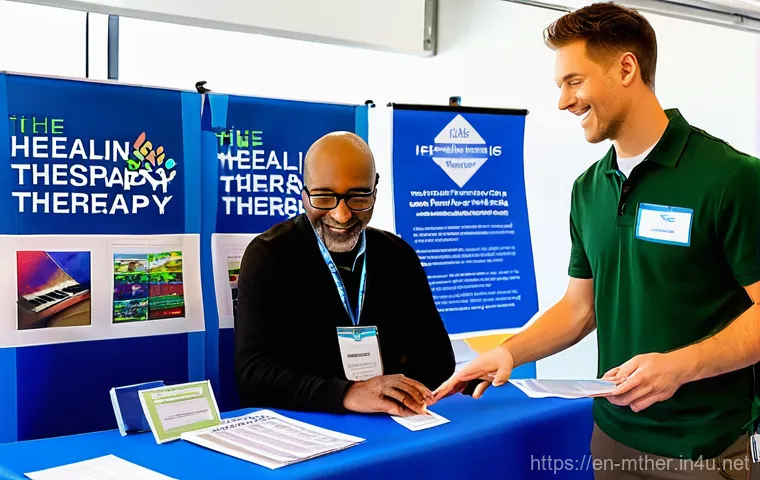
Let’s be real, while passion is absolutely crucial, a sustainable career also needs to put food on the table, right? Understanding the financial landscape of music therapy is a really important piece of the puzzle. I know when I was starting out, I had a lot of questions about what I could actually expect to earn. It’s not always the highest-paying field compared to some other healthcare professions, but it offers immense job satisfaction and a competitive income that can certainly support a comfortable life, especially as you gain experience and potentially specialize. The income can vary quite a bit depending on factors like your location, your level of education (master’s usually commands more), the type of setting you work in (private practice often has higher earning potential but more overhead), and your years of experience. What’s fantastic is that the demand for qualified music therapists is steadily growing, which often translates to more opportunities and stronger earning potential over time. It’s a career where your investment in education and ongoing development truly pays off.
Average Salary and Factors Influencing Compensation
When you look at average salaries for music therapists, you’ll find a pretty broad range. In the United States, entry-level positions might start around $40,000 to $50,000 annually, but with a few years of experience and specialized skills, that number can comfortably climb to $60,000-$75,000 or even higher for seasoned professionals or those in leadership roles. Private practice owners, once established, often have the highest earning potential as they set their own rates and manage their client load. Factors like working in urban versus rural areas, or for a large hospital system versus a small non-profit, can also impact your take-home pay. I’ve seen firsthand how therapists who develop a niche expertise—say, in neurologic music therapy or working with specific trauma populations—can often command higher rates due to their specialized skills. It’s not just about what you do, but how well you do it and how uniquely you can serve specific client needs. Thinking strategically about these elements can really help shape your financial trajectory in the field.
Here’s a quick overview of some factors that influence a music therapist’s income:
| Factor | Impact on Income |
|---|---|
| Education Level | Master’s degree holders typically earn more than bachelor’s degree holders. |
| Years of Experience | Income generally increases significantly with more experience and demonstrated expertise. |
| Geographic Location | Salaries can vary widely based on cost of living and demand in different regions/cities. |
| Type of Employer | Hospitals, schools, and private practice often have different compensation structures. Private practice can offer higher potential but also more overhead. |
| Specialization | Niche expertise (e.g., neurologic music therapy, hospice care) can lead to higher rates or specialized roles. |
Securing Your Future: Benefits and Job Outlook
Beyond the direct salary, it’s really important to consider the overall benefits package that comes with a music therapy career, especially if you’re working for a larger institution. Many hospital or school-based positions offer health insurance, retirement plans, paid time off, and opportunities for continuing education. These are all valuable components that contribute to your overall financial well-being and job security. The job outlook for music therapists is actually quite positive, with the Bureau of Labor Statistics projecting continued growth in related fields like recreational therapy, which often includes creative arts therapies. As the public becomes more aware of the effectiveness of complementary therapies and as healthcare systems seek holistic approaches, the demand for qualified music therapists is only expected to increase. This means more opportunities for you to find fulfilling work and build a stable, long-term career. It’s truly a field where you can feel secure that your unique skills will continue to be valued and sought after.
Beyond the Clinic Walls: Innovating and Expanding Your Impact
One of the things I absolutely adore about music therapy is its incredible adaptability. It’s not just confined to traditional clinic or hospital settings; the field is constantly evolving, with dedicated professionals finding new and innovative ways to deliver care and expand their impact. This spirit of innovation is what keeps the profession so vibrant and exciting. I’ve witnessed colleagues venture into uncharted territories, developing programs that address emerging societal needs or leveraging technology to reach wider audiences. It’s a testament to the creativity inherent in music therapy that we’re always finding fresh avenues to bring healing and connection through sound. If you’re someone who thrives on thinking outside the box and isn’t afraid to blaze a new trail, this aspect of the career will undoubtedly resonate deeply with you, offering endless possibilities for professional growth and personal fulfillment.
Entrepreneurial Avenues: Starting Your Own Practice or Consulting
For those with an entrepreneurial spirit, opening your own private music therapy practice can be an incredibly rewarding venture. It certainly has been for me, offering unparalleled autonomy and the ability to shape your services precisely to your vision. This path allows you to specialize in areas you’re most passionate about, set your own hours, and build direct relationships with clients. It involves everything from crafting your unique brand and marketing strategy to managing your finances and administrative tasks – essentially running your own small business. Beyond direct client work, some music therapists transition into consulting roles, advising organizations on integrating music therapy programs, or providing expert testimony. The beauty of this path is the freedom it offers, but it also demands a strong work ethic and a willingness to learn aspects of business that might be new to you. It’s a challenging but ultimately empowering journey, allowing you to have full ownership of your professional destiny.
Community Outreach and Advocacy: Spreading the Word
Our role as music therapists often extends beyond individual client sessions; we also have a vital part to play in community outreach and advocacy. Many of us are passionate about educating the public, policymakers, and other healthcare professionals about the profound benefits of music therapy. This can involve giving presentations at schools, participating in health fairs, writing articles for local publications, or even lobbying for legislative support for music therapy services. I’ve personally found immense satisfaction in sharing stories of transformation and explaining the evidence behind our practice. It’s about demystifying the profession and demonstrating its value in a broader societal context. By actively engaging in advocacy, we not only increase access to care for those who need it but also elevate the visibility and understanding of music therapy as a legitimate and powerful healthcare discipline. It’s a way to ensure that the healing power of music reaches as many people as possible.
Sustaining Your Soul: Self-Care and Professional Development for Therapists
As music therapists, we pour so much of ourselves into our work, constantly offering empathy, presence, and energy to our clients. It’s incredibly rewarding, but let’s be honest – it can also be emotionally and mentally taxing. I’ve learned the hard way that neglecting your own well-being isn’t just unsustainable; it can actually diminish your capacity to be an effective therapist. That’s why prioritizing self-care isn’t a luxury; it’s an absolute necessity. Think of it as tuning your own instrument so you can continue to play beautiful, healing music for others. This commitment to self-nurturing isn’t just about avoiding burnout; it’s about maintaining your passion, creativity, and overall resilience throughout your career. It ensures you can show up for your clients authentically and consistently, bringing your best self to every session. We often tell clients to prioritize their well-being, and we must practice what we preach.
Nourishing Your Spirit: Essential Self-Care Practices
Self-care in music therapy isn’t a one-size-fits-all solution; it’s about finding what genuinely recharges *you*. For me, it often involves stepping away from the clinical setting and immersing myself in music purely for enjoyment, not for therapy. That might mean playing my favorite pieces, attending a live concert, or even just dancing around my living room. Beyond music, it’s about establishing healthy boundaries between your professional and personal life. Disconnecting from work emails, ensuring you get adequate rest, nourishing your body with good food, and engaging in hobbies totally unrelated to therapy are all crucial. Many therapists also find immense value in their own therapy or supervision sessions, creating a safe space to process their experiences and emotions. Remember, you can’t pour from an empty cup. Regularly checking in with yourself and actively engaging in activities that bring you joy and peace will sustain you through the inevitable challenges of the profession. It’s an ongoing commitment to yourself that directly impacts the quality of care you provide.
Lifelong Learning: The Importance of Continuing Education and Supervision
The field of music therapy, like all healthcare professions, is constantly evolving. New research emerges, innovative techniques are developed, and our understanding of human behavior deepens. That’s why lifelong learning isn’t just a recommendation; it’s a professional imperative and often a requirement for maintaining your certification. I’ve found so much joy in attending workshops, webinars, and conferences, constantly expanding my knowledge base and refining my skills. It keeps things fresh and exciting! Beyond formal education, consistent clinical supervision is absolutely invaluable. Having a seasoned mentor to discuss cases with, process ethical dilemmas, and receive constructive feedback is a cornerstone of responsible and effective practice. It provides a vital sounding board and ensures you’re continually growing and maintaining the highest standards of care. This commitment to ongoing development not only enhances your expertise but also enriches your entire professional journey, keeping you engaged and passionate for years to come.
Wrapping Things Up
Well, we’ve journeyed quite a bit together, haven’t we? From the initial spark of passion to navigating the intricate educational paths, diving deep into clinical experiences, and even glimpsing the entrepreneurial spirit that can define a music therapy career. It’s truly a calling that blends profound human connection with the universal language of music, creating something uniquely powerful and transformative. I truly hope this peek into the world of music therapy has been as inspiring for you to read as it has been for me to share my experiences and insights. Remember, this isn’t just a job; it’s an opportunity to make a tangible, beautiful difference in people’s lives, one note, one rhythm, one shared moment at a time. Embrace the journey, because it’s absolutely worth every step.
Handy Tips for Your Music Therapy Journey
1. Get real experience early! Volunteer at hospitals, schools, or senior centers to see music therapy in action and gauge your passion. This hands-on exposure is invaluable for confirming your career choice and building your resume.
2. Master your instruments – and diversify! While piano and guitar are foundational, having proficiency in voice, percussion, and even the ukulele will significantly enhance your versatility and therapeutic toolkit.
3. Network like crazy! Connect with current music therapists, educators, and other healthcare professionals. Their insights, mentorship, and potential referrals can be game-changers for your education and future practice.
4. Prioritize self-care from day one. This profession is incredibly rewarding but can be emotionally demanding. Develop routines that recharge your spirit to prevent burnout and ensure you can consistently bring your best self to your clients.
5. Stay curious and keep learning! The field is always evolving. Attend workshops, read new research, and engage in continuing education to refine your skills and stay at the forefront of innovative therapeutic practices.
Key Takeaways
Becoming a music therapist is a deeply fulfilling path that demands a rigorous blend of musical skill, clinical knowledge, and profound empathy. Formal education and board certification are essential, providing the foundation for ethical and effective practice. The job outlook for music therapists is positive, with an anticipated growth of around 4% to 13.87% over the next decade, often grouped with recreational therapists, and average salaries typically ranging from $50,000 to $67,001 annually, increasing with experience and specialization. Success hinges not just on your talent, but on continuous learning, self-care, and a willingness to adapt and innovate within diverse therapeutic settings, ultimately allowing you to harness music’s healing power to transform lives.
Frequently Asked Questions (FAQ) 📖
Q: What are the essential steps to becoming a certified music therapist and truly making a difference in someone’s life?
A: Oh, this is such a fantastic and common question, and one I get all the time from folks who are just buzzing with musical passion! To really dive into music therapy professionally here in the US, you absolutely need to earn a Bachelor’s or Master’s degree from an American Music Therapy Association (AMTA) approved program.
Think of it as your foundational toolkit. These programs are incredibly comprehensive, covering everything from psychology and anatomy to advanced musical skills and, of course, clinical methods specific to music therapy.
After you graduate, the next crucial step is completing a supervised clinical internship – that’s where you truly put theory into practice, working with real clients under the guidance of seasoned professionals.
I remember my own internship; it was eye-opening and shaped so much of how I approach therapy today. Finally, you’ll sit for the board certification exam administered by the Certification Board for Music Therapists (CBMT) to earn your MT-BC credential.
Trust me, it’s a journey, but every single step is worth it when you see the profound positive change you can bring to someone’s life. It’s not just a degree; it’s a pathway to genuine impact.
Q: Beyond the academic requirements, what unique skills or qualities do you think are most important for building a truly thriving music therapy practice?
A: That’s a brilliant question, because while the academic foundation is non-negotiable, building a thriving practice goes so much deeper than just degrees and certifications.
From what I’ve observed and experienced myself, the most successful music therapists possess a blend of genuine empathy, exceptional listening skills, and an unwavering belief in music’s power to heal.
It’s not just about playing an instrument well; it’s about connecting with people on a deeply human level, understanding their stories, and knowing how to adapt your approach to their unique needs.
I’ve seen therapists who are masters of improvisation, able to intuitively respond to a client’s mood or energy with just the right melody or rhythm. Beyond the clinical, you also need a good dose of entrepreneurial spirit if you’re building your own practice – things like effective communication, a bit of marketing savvy, and the ability to build strong relationships with other healthcare professionals in your community.
It’s about being a holistic healer and a proactive professional, always learning and evolving.
Q: With the world constantly changing, what does the future hold for music therapy, and how can aspiring therapists ensure they stay relevant and impactful?
A: Oh, the future of music therapy is absolutely electrifying! We’re living in a time where the demand for holistic, person-centered care is exploding, and music therapy is perfectly positioned to meet that need.
I’ve personally seen a huge surge in interest from hospitals, schools, hospice care, and even corporate wellness programs – everyone is recognizing the profound benefits.
To stay relevant and truly impactful, I believe aspiring therapists need to embrace continuous learning and innovation. This means staying updated on the latest research, exploring new technologies (yes, even AI is finding its way into therapeutic discussions, though the human touch remains irreplaceable!), and being open to diverse client populations.
For instance, I’ve been fascinated by how virtual reality is being explored in some therapeutic settings. Networking with other professionals, attending conferences, and even considering specialized certifications in areas like trauma-informed care or neurological rehabilitation can really broaden your horizons and enhance your expertise.
The key is to remain curious, adaptable, and always remember the core human connection that music facilitates. It’s a field with endless possibilities for growth and profound contribution.